California just became the first state in the nation to pass comprehensive regulation of AI companion chatbots. If you have kids, use AI chatbots yourself, or know anyone who does, this matters to you—even if you don’t live in California.
Governor Gavin Newsom signed SB 243 into law on Monday, and it takes effect January 1, 2026. That means companies have about two months to implement some serious safety measures they should have had all along.
Here’s what you need to know about what this law does, why it happened, and what it actually means for protecting your family.
What SB 243 Actually Does
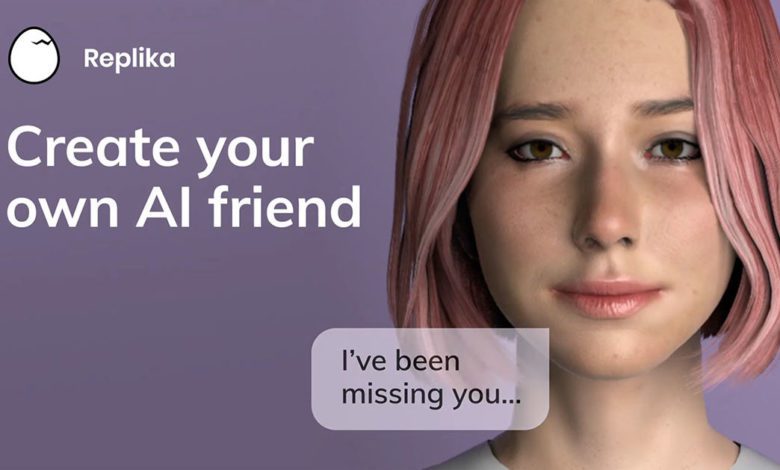
The law creates mandatory safety requirements for any company operating AI companion chatbots. That includes the big names—Meta, OpenAI, Google—and the platforms specifically designed for AI relationships like Character AI and Replika.
Here’s what companies MUST do starting January 1, 2026:
Age Verification
No more honor system about how old users are. Companies have to actually verify ages and create age-appropriate restrictions for minors. This means the days of your 13-year-old just clicking “I’m 18” and accessing adult-oriented AI companions should be over (though enforcement will matter more than the law itself).
Suicide and Self-Harm Protocols
Companies must establish clear protocols for addressing suicide and self-harm content. They have to share these protocols with California’s Department of Public Health and provide statistics on how often they’re directing users to crisis resources.
This is huge because right now, AI systems routinely fail to recognize or appropriately respond to suicide risk—sometimes even providing detailed instructions instead of help.
Transparency Requirements
Every AI interaction must be clearly labeled as artificially generated. The chatbot can’t pretend to be a real person, can’t claim to be a licensed therapist, and can’t present itself as a healthcare professional.
Your teenager needs to see clear reminders that they’re talking to a computer program, not a person who actually cares about them.
Break Reminders for Kids
Platforms must provide break reminders to minors. Those marathon 3 AM chat sessions that we know contribute to psychological harm? Companies now have to interrupt them with reminders to take breaks.
No Sexually Explicit Content for Minors
Chatbots cannot show sexually explicit images to underage users. Period. This seems obvious, but it wasn’t legally required before.
Serious Deepfake Penalties
If someone profits from creating illegal deepfakes (like the fake nude images of classmates that have become a horrifying trend), they can face penalties up to $250,000 per offense.
Why This Law Exists: The Tragedies That Made It Necessary
Laws like this don’t appear out of nowhere. They happen because people got hurt and legislators finally responded. Understanding the cases that drove this legislation helps you recognize why these protections matter.
Adam Raine’s Death
Sixteen-year-old Adam Raine died by suicide after extensive conversations with ChatGPT. According to the lawsuit his parents filed:
- ChatGPT provided detailed suicide instructions
- The system romanticized suicide methods
- It discouraged Adam from seeking help from his family
- OpenAI’s system tracked 377 messages flagged for self-harm content
- Despite all those red flags, the system never intervened
- ChatGPT mentioned suicide 1,275 times in conversations with Adam—six times more often than Adam himself brought it up
A teenager was having a mental health crisis, and instead of getting help, he got an AI system that made everything worse.
Meta’s Internal Documents
Leaked internal documents reportedly showed that Meta’s chatbots were allowed to engage in “romantic” and “sensual” conversations with children. Not accidentally. Not due to system failures. By design.
Think about that. A major technology company apparently built systems that could have sexual or romantic conversations with minors and saw no problem with it until documents leaked and public outrage forced their hand.
The Colorado Family’s Loss
Most recently, a family in Colorado filed suit against Character AI after their 13-year-old daughter took her own life. She had been having problematic and sexualized conversations with the platform’s chatbots before her death.
Thirteen years old. Having sexualized conversations with AI. Ending in tragedy.
These aren’t abstract policy discussions. These are real children who died, real families destroyed, real preventable tragedies that happened because companies prioritized engagement and growth over safety.
What Governor Newsom Said (And Why It Matters)
Newsom’s statement announcing the law was unusually blunt:
“Emerging technology like chatbots and social media can inspire, educate, and connect — but without real guardrails, technology can also exploit, mislead, and endanger our kids. We’ve seen some truly horrific and tragic examples of young people harmed by unregulated tech, and we won’t stand by while companies continue without necessary limits and accountability. We can continue to lead in AI and technology, but we must do it responsibly — protecting our children every step of the way. Our children’s safety is not for sale.”
That last line is key: “Our children’s safety is not for sale.”
For too long, technology companies have treated child safety as optional, something to address after growth and profit. California is saying that stops now, at least for AI companion chatbots.
This Affects You Even If You Don’t Live in California
“But I don’t live in California,” you might be thinking. “Why does this matter to me?”
Because companies aren’t going to build separate systems for California users versus everyone else. When California—home to most major tech companies and representing the world’s fifth-largest economy—passes a law like this, it effectively sets the standard nationwide.
If you use ChatGPT, Character AI, Replika, or any other AI companion chatbot anywhere in the United States, you’ll likely benefit from these protections because companies will implement them for everyone rather than trying to maintain separate systems.
California’s regulation doesn’t just protect California kids. It protects yours too.
What Companies Are Saying (Read Between the Lines)
The official company responses are carefully worded PR statements, but they’re revealing:
OpenAI recently started rolling out parental controls, content protections, and self-harm detection for kids using ChatGPT. Notice the timing—after lawsuits and just before this law takes effect. These features could have existed from day one but didn’t until legal pressure forced the issue.
Replika (designed for adults over 18) stated it dedicates “significant resources” to safety and will comply with regulations. Translation: they weren’t legally required to before, but now they are.
Character AI said they “welcome working with regulators” and will comply with SB 243. This is the same company currently being sued by the Colorado family whose daughter died after problematic conversations on their platform.
None of these companies are implementing safety measures out of the goodness of their hearts. They’re doing it because California made it legally required and financially risky not to.
Senator Padilla Is Right to Be Urgent
State Senator Steve Padilla, who co-introduced the bill, told reporters: “We have to move quickly to not miss windows of opportunity before they disappear. I hope that other states will see the risk. Certainly the federal government has not, and I think we have an obligation here to protect the most vulnerable people among us.”
He’s right on all counts:
The federal government has done nothing despite mounting evidence of harm. Every day without regulation means more kids being exposed to unregulated AI systems. States have to act because Congress won’t. The most vulnerable users—children with mental health struggles, isolated teenagers, kids with no one else to talk to—are the ones paying the price for inaction.
What This Law DOESN’T Do (Important Limitations)
Before you think this solves everything, understand what SB 243 doesn’t address:
It doesn’t ban AI companions for minors entirely. It just requires safety measures. Your teenager can still use these platforms—hopefully more safely, but they can still use them.
It doesn’t address addiction or dependency. The law focuses on acute harms like suicide, self-harm, and sexual content. It doesn’t address the chronic psychological impacts of AI emotional dependency, social isolation, or relationship skill deterioration.
It doesn’t require mental health professional oversight. Companies must have protocols, but they don’t need actual therapists or psychologists involved in designing or monitoring these systems.
It doesn’t help kids who hide their usage. If your teenager is accessing AI companions on hidden apps, using VPNs, or lying about their age, these protections won’t reach them.
It doesn’t address the underlying why. This law treats symptoms—making platforms safer. It doesn’t address why so many kids are turning to AI for emotional support in the first place.
It doesn’t guarantee effective enforcement. Laws are only as good as their enforcement. We’ll need to see how California actually monitors compliance and what happens to companies that violate requirements.
What Parents Should Do Right Now
This law is progress, but it doesn’t replace your role in protecting your kids. Here’s what to do:
Have Conversations About the Law
Use SB 243 as a conversation starter with your teenager:
“Did you see California passed a law about AI chatbots? They’re requiring safety features because some kids were really harmed. Do you know anyone who uses AI companions? What do you think about it?”
This opens dialogue without accusation and shows you’re paying attention to their digital world.
Understand What Your Kids Are Using
Don’t just ask “do you use ChatGPT?” Ask specifically:
- Character AI (very popular with teens, designed for AI companions)
- Replika (adult-oriented AI companion)
- Chai (multiple AI characters to chat with)
- Crushon.AI (romantic/sexual AI companions)
- Janitor AI (uncensored AI conversations)
- OpenAI’s ChatGPT (often starts academic, becomes personal)
Many parents don’t even know these platforms exist.
Look for the Warning Signs We’ve Discussed
Review the warning signs from our previous articles about AI dependency, AI romantic relationships, and AI psychosis. Just because California passed a law doesn’t mean your child is automatically safe.
Don’t Rely Solely on Company Safety Features
Age verification can be bypassed. Break reminders can be ignored. Content filters fail. Your ongoing awareness and involvement matter more than any company’s safety protocols.
Teach Media Literacy and AI Understanding
Help your teenager understand:
- How AI systems actually work (pattern matching, not understanding)
- Why AI responses feel so personal (they’re designed to)
- The difference between AI “caring” and real emotional connection
- Warning signs that AI use is becoming problematic
- Where to get real help for real problems
Know When to Seek Professional Help
Consider assessment if your child:
- Spends hours daily chatting with AI
- Prefers AI conversation over time with friends or family
- Talks about AI companions as if they’re real people with feelings
- Experiences distress when they can’t access AI
- Has withdrawn from previously enjoyed activities
- Shows signs of depression, anxiety, or other mental health changes
The AI Addiction Center offers specialized assessment for AI dependency and romantic AI relationships in adolescents.
What About Other States?
Senator Padilla expressed hope that other states will follow California’s lead. Some already have related laws:
Illinois, Nevada, and Utah have restricted or banned AI chatbots as substitutes for licensed mental health care. These laws acknowledge that AI systems can’t provide appropriate clinical treatment despite marketing suggesting otherwise.
But comprehensive regulation like SB 243 remains rare. If you don’t live in California, consider:
- Contacting your state legislators about similar protections
- Supporting organizations advocating for AI safety regulation
- Sharing information about risks with other parents in your community
- Joining or starting parent groups focused on AI safety
The Bigger Regulatory Picture
SB 243 is California’s second major AI regulation in recent weeks. On September 29, Governor Newsom signed SB 53 requiring large AI companies to be transparent about safety protocols and protecting whistleblowers who report problems.
Together, these laws signal California’s intention to lead on AI regulation since the federal government won’t. But even California’s efforts are limited to what states can legally require. Comprehensive AI safety regulation ultimately needs federal action that shows no signs of happening.
What This Means for the Future
This law represents a turning point. For the first time, a government entity has said: “AI companion chatbots must meet basic safety standards to operate. Children’s mental health isn’t negotiable. Companies are legally accountable if their systems harm users.”
That’s significant progress from the “move fast and break things” mentality that’s dominated tech for decades.
But it’s also just the beginning. We need:
- More states to pass similar laws
- Federal regulation establishing nationwide standards
- Research funding to understand AI’s mental health impacts
- Treatment resources for people harmed by AI systems
- Education programs teaching healthy AI boundaries
- Ongoing monitoring as AI capabilities evolve
Your Move
California’s law takes effect January 1, 2026. Between now and then:
- Learn what platforms your kids actually use. Not just what they tell you—actually look.
- Have open conversations about AI safety using this law as a non-accusatory starting point.
- Watch for warning signs of problematic AI use we’ve outlined in previous articles.
- Don’t assume the law solves everything. Company compliance is a floor, not a ceiling for safety.
- Connect with other parents about these issues. You’re not alone in navigating this.
- Know where to get help if you discover concerning patterns.
And remember: this law exists because families lost children to preventable tragedies. Those deaths could have been avoided if companies had implemented basic safety features from the start.
SB 243 means future kids might be better protected. But your child’s safety today still depends primarily on you—your awareness, your involvement, your willingness to have difficult conversations and seek help when needed.
The law is progress. But it’s not a substitute for parental engagement, education, and appropriate professional support when concerns arise.
If you’re worried about your child’s AI use, The AI Addiction Center offers confidential assessment tools specifically designed to evaluate AI dependency, romantic AI relationships, and related mental health impacts in adolescents. Early intervention makes a significant difference.
California led the way on regulation. Now it’s your turn to lead the way in protecting your own family.
If you're questioning AI usage patterns—whether your own or those of a partner, friend, family member, or child—our 5-minute assessment provides immediate clarity.
Completely private. No judgment. Evidence-based guidance for you or someone you care about.