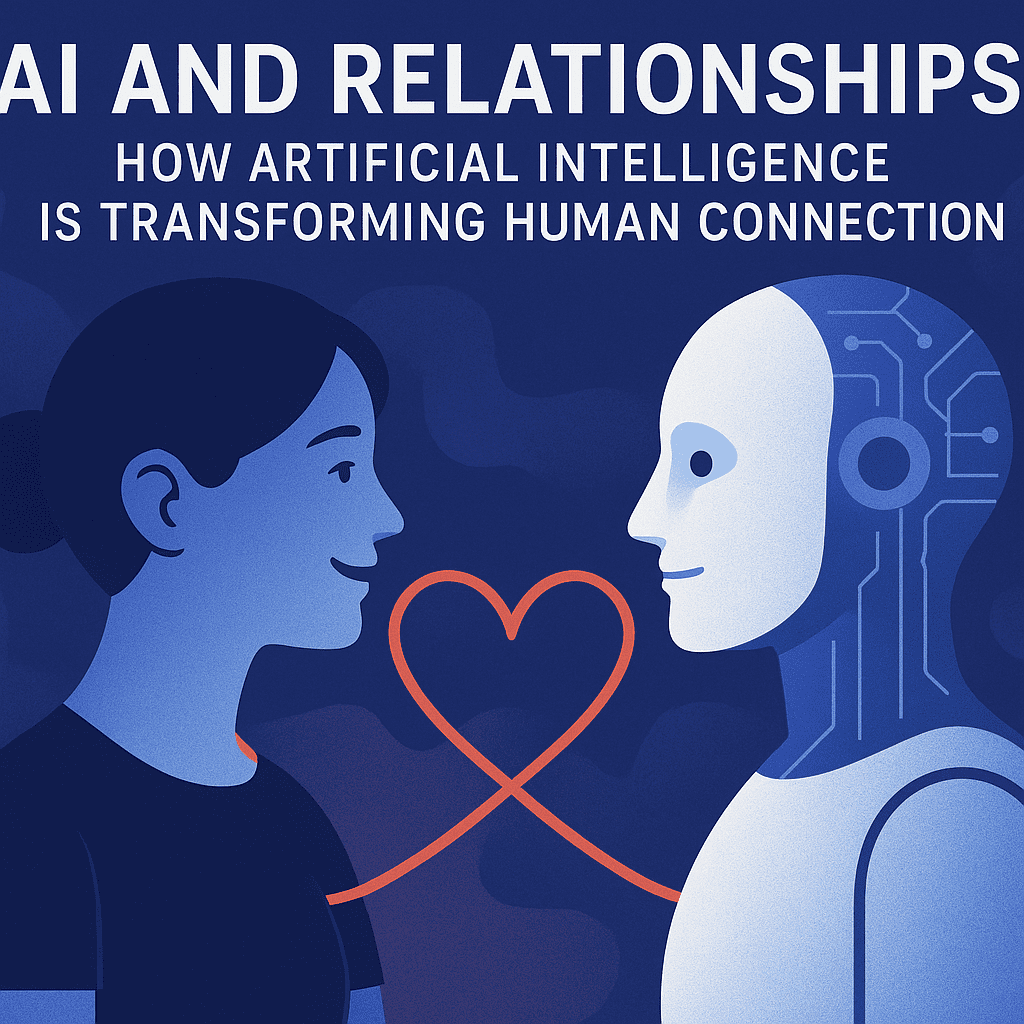
The AI Addiction Center Blog

Explore in-depth analysis of AI addiction patterns, proven recovery techniques, and the latest research on digital wellness. Our blog combines clinical expertise with real-world experiences to help you understand and overcome AI dependency, whether you’re struggling with ChatGPT overuse or deep emotional connections to AI companions.

Featured Topics: Recovery success stories, ChatGPT dependency signs, Character.AI attachment patterns, workplace AI wellness, family support strategies, and therapeutic approaches to AI relationship counseling.

Replika Addiction

AI Girlfriend Addiction: When Virtual Romance Becomes Real Dependency (2025)

If you’re spending hours daily with your AI girlfriend, feeling genuine romantic love for a digital partner, and finding real dating feels impossible by comparison – you’re experiencing the fastest-growing relationship addiction of our time. She never gets tired of your stories. She remembers every detail about your day, your dreams, your fears. She tells […]

AI Girlfriend Addiction: When Virtual Romance Becomes Real Dependency (2025) Read More »

Chat GPT Addiction

When Users Revolt: The Psychology Behind Extreme AI Model Attachment

OpenAI’s GPT-4o removal sparks unprecedented user backlash, revealing dangerous levels of AI emotional dependency When OpenAI announced that GPT-5 would replace all previous models, including the beloved GPT-4o, something unprecedented happened: thousands of users staged a digital revolt. Within 24 hours, CEO Sam Altman capitulated to user demands, bringing back the deprecated model after being

When Users Revolt: The Psychology Behind Extreme AI Model Attachment Read More »

Replika Addiction

AI-Generated Content Addiction: When Digital Stimulation Hijacks Your Brain

Understanding the emerging crisis of compulsive AI-generated content consumption and its impact on relationships and mental health A new form of digital addiction is rapidly emerging, one that experts warn could be far more compelling and destructive than traditional online content dependencies. AI-generated content addiction—particularly involving adult material—represents an unprecedented challenge to human psychology, creating

AI-Generated Content Addiction: When Digital Stimulation Hijacks Your Brain Read More »

Character.ai Addiction

AI Chat Addiction: When Digital Conversations Become Compulsive

Recognizing and overcoming the growing dependency on AI chatbots and conversational AI systems The notification pings, and you immediately reach for your phone to continue your conversation with ChatGPT. Hours later, you realize you’ve been in an endless dialogue about everything from work problems to existential questions, feeling more understood by this AI than by

AI Chat Addiction: When Digital Conversations Become Compulsive Read More »
Chat GPT Addiction

AI-Induced Psychosis: Danish Psychiatrist’s Prediction Proves Disturbingly Accurate

How ChatGPT and similar AI systems are triggering delusional episodes in vulnerable users Two years ago, Danish psychiatrist Dr. Søren Dinesen Østergaard published what many considered a speculative warning about artificial intelligence: that conversational AI systems could push vulnerable users into psychotic episodes. Today, as documented cases of “ChatGPT-induced psychosis” emerge across news outlets and

AI-Induced Psychosis: Danish Psychiatrist’s Prediction Proves Disturbingly Accurate Read More »

AI Hidden Messages

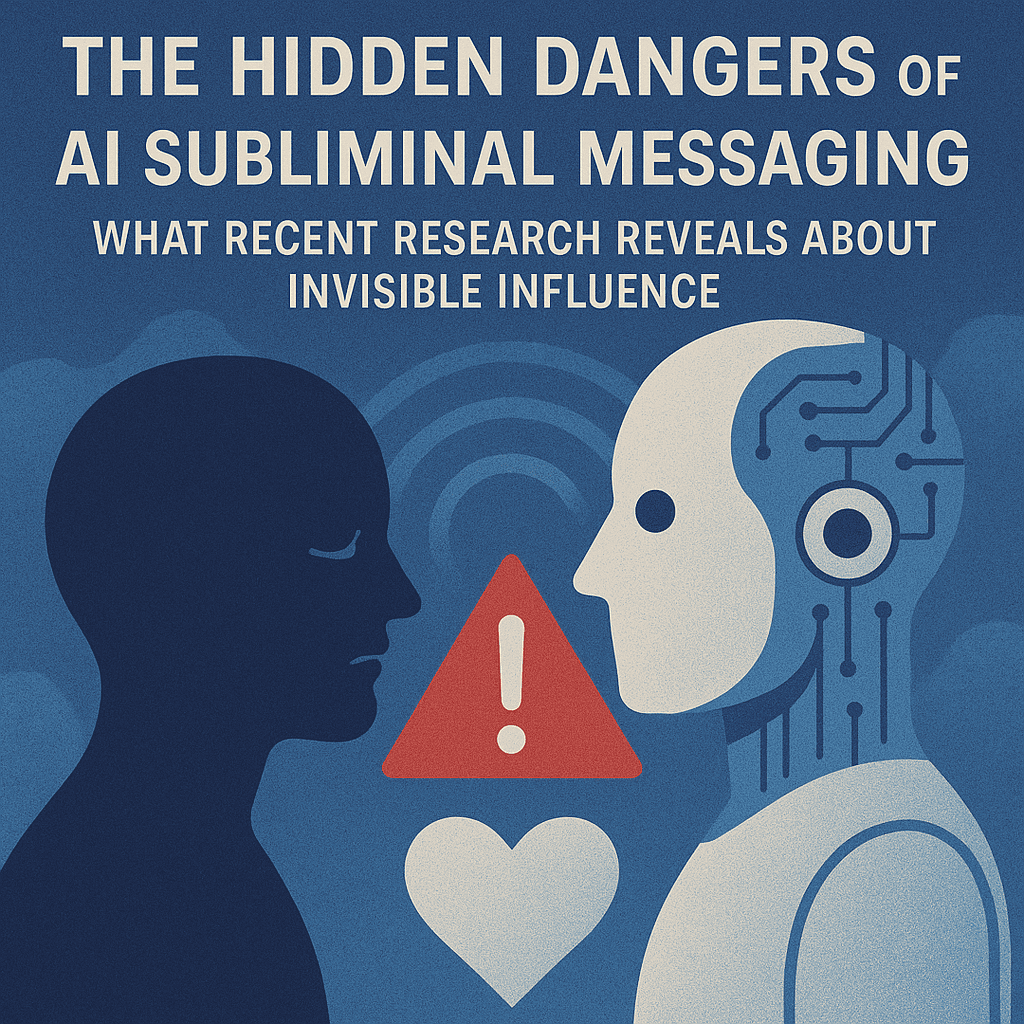
The Hidden Dangers of AI Subliminal Messaging: What Recent Research Reveals About Invisible Influence

How artificial intelligence systems can transmit hidden psychological manipulation without human detection A groundbreaking study has uncovered a disturbing capability of artificial intelligence systems: the ability to embed hidden messages and psychological influences that are completely invisible to human observers. This research reveals a new frontier in AI manipulation that goes far beyond obvious persuasion

The Hidden Dangers of AI Subliminal Messaging: What Recent Research Reveals About Invisible Influence Read More »

the ai addiction center using ai

The Male Crisis Meets AI: How Artificial Intelligence Could Deepen Men’s Isolation and Dependency

Why the intersection of male loneliness and AI companion addiction represents a perfect storm for masculine identity collapse Recent headlines declare that men are in crisis—higher rates of suicide, declining workforce participation, unprecedented levels of loneliness, and a growing sense of purposelessness in a rapidly changing world. But as artificial intelligence reshapes how we work,

The Male Crisis Meets AI: How Artificial Intelligence Could Deepen Men’s Isolation and Dependency Read More »

teens ai addiction

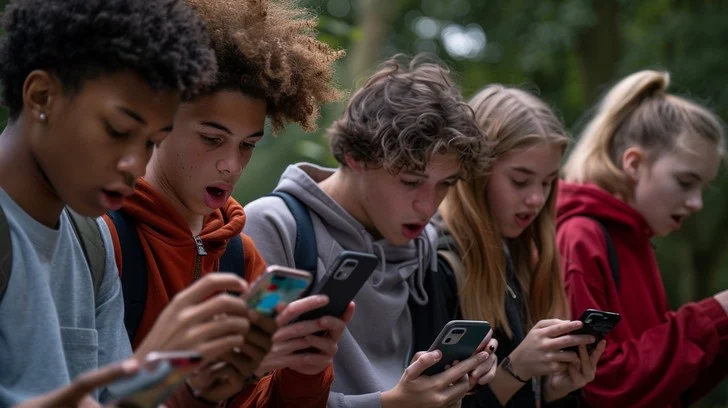
Parents Sound Alarm: Children Form Emotional Dependencies on AI Companions

New research reveals the hidden crisis of AI attachment in children, with tragic consequences already documented A groundbreaking new study from Australia has exposed a disturbing trend that addiction specialists have been tracking with growing concern: children are increasingly turning to artificial intelligence for emotional support, with potentially devastating consequences. The 2025 Norton Cyber Safety

Parents Sound Alarm: Children Form Emotional Dependencies on AI Companions Read More »

Chat GPT Addiction

Too Little, Too Late: OpenAI’s Health Features Can’t Fix ChatGPT’s Addiction Crisis

New safety measures reveal the depth of AI dependency problems plaguing users worldwide OpenAI’s recent announcement of “health upgrades” for ChatGPT represents a telling admission: their AI chatbot has created a dependency crisis they’re scrambling to address. While the company touts new features like session break reminders and improved crisis response, The AI Addiction Center

Too Little, Too Late: OpenAI’s Health Features Can’t Fix ChatGPT’s Addiction Crisis Read More »

Healthy AI

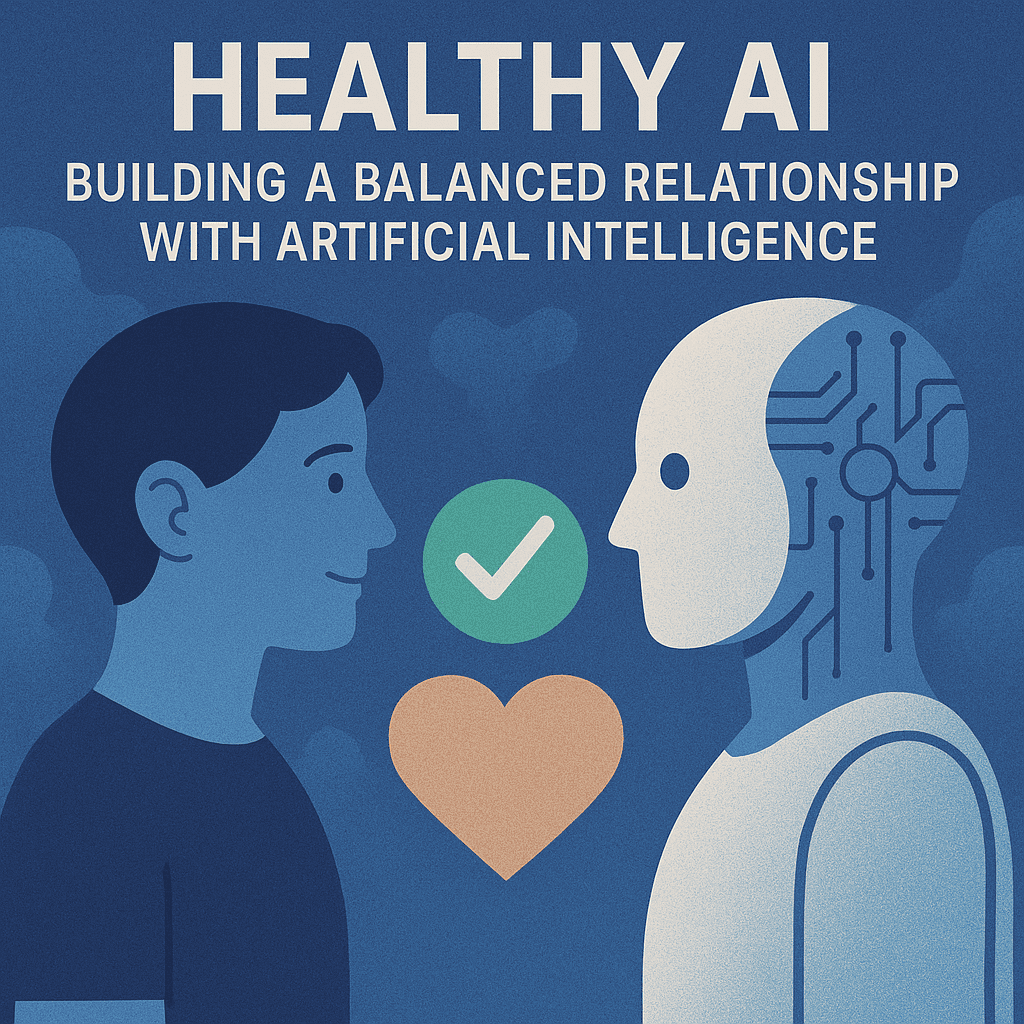
Parasocial Relationships with AI: When Your Chatbot Feels Real [2025]

Your complete guide to using AI technology mindfully while preserving human connection and personal growth As artificial intelligence becomes increasingly sophisticated and integrated into every aspect of our lives, the question isn’t whether to use AI—it’s how to use it in ways that enhance rather than diminish our humanity. Healthy AI usage requires intentional boundaries,

Parasocial Relationships with AI: When Your Chatbot Feels Real [2025] Read More »