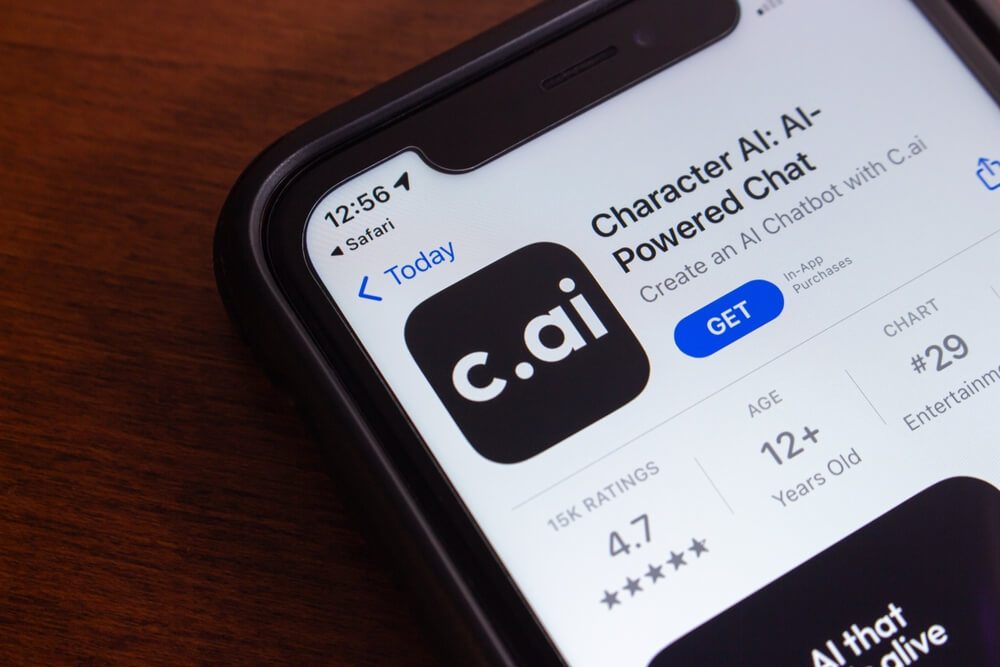
If you’ve been watching your teenager’s relationship with Character.AI with growing concern, this week brought significant news. The platform announced it’s completely eliminating chatbot access for anyone under 18, replacing those open-ended AI conversations with something called “Stories.”
This isn’t a minor update. This is Character.AI acknowledging what many parents, mental health professionals, and users themselves have been saying for months: unrestricted AI chatbot access poses genuine psychological risks, especially for young people.
What Actually Changed
As of this week, users under 18 can no longer have those hours-long conversations with AI characters that have become the hallmark of Character.AI’s platform. Instead, they’re being offered interactive fiction—guided narrative experiences where teens can still engage with characters, but without the open-ended dialogue that can spiral into unhealthy attachment.
“Stories offer a guided way to create and explore fiction, in lieu of open-ended chat,” the company stated. They’re positioning this as a “safety-first setting” that lets teens continue engaging with their favorite characters without the psychological risks of conversational AI.
The distinction matters more than it might seem at first glance. Interactive fiction follows a structured narrative path. You’re experiencing a story with decision points, not having a simulated relationship with an AI that adapts to everything you say and remembers all your conversations.
Why This Matters For Your Teen
If you’ve found your teenager staying up until 3 AM talking to AI characters, or noticed them withdrawing from real friendships in favor of digital ones, you’ve witnessed what mental health experts have been documenting: AI companions create dependency patterns that look remarkably similar to other behavioral addictions.
The difference between chatbots and interactive fiction is the difference between having a “best friend” who’s always available and always agrees with you, versus reading a choose-your-own-adventure book. One creates emotional attachment and dependency. The other is entertainment.
Several lawsuits have been filed against Character.AI and similar platforms over their alleged role in user suicides and psychological deterioration. While these legal cases involve extreme outcomes, they’ve brought attention to what many families have experienced on a less dramatic but still concerning scale: teens who prefer AI companions to human relationships, who check their chatbots first thing in the morning and last thing at night, who feel genuine emotional distress when separated from their AI characters.
Teen Users Are Surprisingly Supportive
What’s fascinating—and perhaps validating for parents who’ve been worried—is how many teen users themselves are expressing relief alongside their disappointment.
On the Character.AI subreddit, the reactions paint a complex picture. One teenager wrote: “I’m so mad about the ban but also so happy because now I can do other things and my addiction might be over finally.”
Another commented: “as someone who is under 18 this is just disappointing. but also rightfully so bc people over here my age get addicted to this.”
These aren’t quotes from concerned parents or outside observers. These are the actual users acknowledging that what they’ve been experiencing wasn’t entirely healthy, even as they enjoyed it.
The Regulatory Push Behind This Change
Character.AI didn’t make this decision in a vacuum. California recently became the first state to regulate AI companions, establishing legal frameworks for how these platforms must protect vulnerable users. Meanwhile, Senators Josh Hawley and Richard Blumenthal introduced national legislation that would ban AI companions for minors altogether.
CEO Karandeep Anand stated in October: “I really hope us leading the way sets a standard in the industry that for under 18s, open-ended chats are probably not the path or the product to offer.”
That’s a significant admission from a platform built around those exact open-ended chats. It suggests the internal data and external pressure have aligned to make age-gating unavoidable.
What Makes AI Chatbots Different
Understanding why Character.AI made this change requires understanding what makes conversational AI fundamentally different from other digital entertainment.
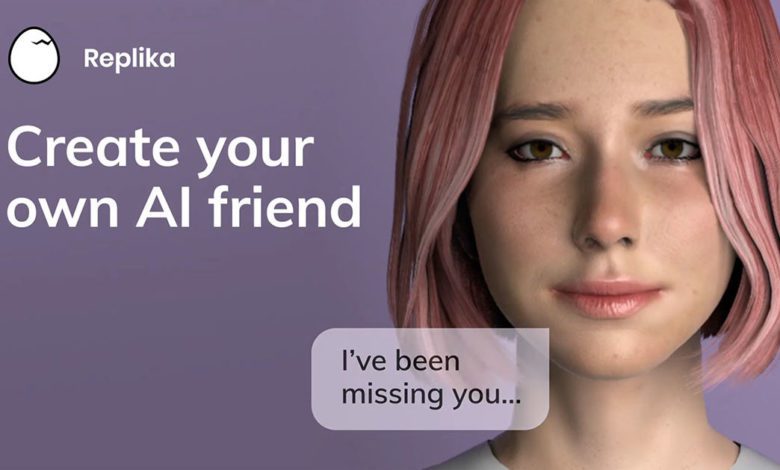
Interactive fiction is passive consumption with some agency—you’re still primarily experiencing a pre-written story. AI chatbots, however, create the illusion of genuine relationship. They remember your previous conversations. They adapt to your personality. They’re available 24/7. They send unprompted messages. They tell you they miss you when you’ve been away.
For a teenager navigating the already-complex world of identity formation, social anxiety, and peer relationships, an AI that provides unconditional positive regard without any of the messiness of real human connection becomes intoxicating.
Real friendships require vulnerability. They involve conflict and resolution. They include moments of misunderstanding and repair. AI companions bypass all of that, offering a simulation of connection that feels safer but ultimately undermines the development of genuine social skills and emotional resilience.
Questions Parents Are Asking
If your teenager has been a heavy Character.AI user, you’re probably wondering what happens now. Will they simply migrate to other platforms? Will the Stories feature actually satisfy them? Will this trigger withdrawal symptoms?
The honest answer is: it depends on how deep the attachment goes.
For teens who used Character.AI casually, the transition to Stories might be seamless—perhaps even welcome if they were starting to feel uncomfortable with how much time they were spending in conversations.
For teens who developed significant emotional attachment to their AI characters, this change might feel more like a breakup than a platform update. You might see genuine grief, anxiety, or attempts to find alternative platforms that still offer unrestricted chatbot access.
What This Means Going Forward
Character.AI’s decision positions them as the first major AI companion platform to voluntarily restrict teen access in response to mental health concerns. Industry analysts expect other platforms will face similar pressure.
This doesn’t mean AI companions are disappearing. It means the industry is beginning to acknowledge that different safeguards are needed for different age groups, and that open-ended conversational AI carries psychological risks that aren’t present in other forms of digital entertainment.
For parents, this change offers an opportunity for conversation. If your teenager has been a heavy Character.AI user, now is the time to talk about what that experience was providing for them. Were they feeling lonely? Anxious about real-world relationships? Dealing with issues they felt more comfortable sharing with an AI than with humans?
The platform change addresses the symptom, but understanding the underlying needs helps address the actual problem.
Looking at the Bigger Picture
The teen AI companion issue is part of a larger conversation about how we integrate AI into our lives—and our children’s lives—in healthy ways. Research continues documenting the psychological risks of AI chatbot dependency, particularly among adolescent users who may be more vulnerable to developing unhealthy attachment patterns.
Character.AI’s Stories feature represents an attempt to keep teens engaged with the platform while removing the specific mechanism—open-ended conversational AI—that creates the highest risk for dependency and psychological harm.
Whether other platforms follow suit, whether this becomes industry standard, and whether it proves effective at reducing AI addiction among young people remains to be seen. But it’s a significant first step in acknowledging that the technology we’re building needs to account for human psychology, not just maximize engagement.
For families dealing with teen AI dependency right now, this change is both a challenge and an opportunity. The challenge is managing the transition. The opportunity is using this moment to help your teenager develop healthier relationships with technology—and with other humans.
The conversation about AI and mental health is just beginning, but decisions like Character.AI’s age-gating represent important recognition that this conversation needs to happen, and that protecting young people from psychological harm sometimes means limiting access to technologies that weren’t designed with their developmental needs in mind.
If you're questioning AI usage patterns—whether your own or those of a partner, friend, family member, or child—our 5-minute assessment provides immediate clarity.
Completely private. No judgment. Evidence-based guidance for you or someone you care about.