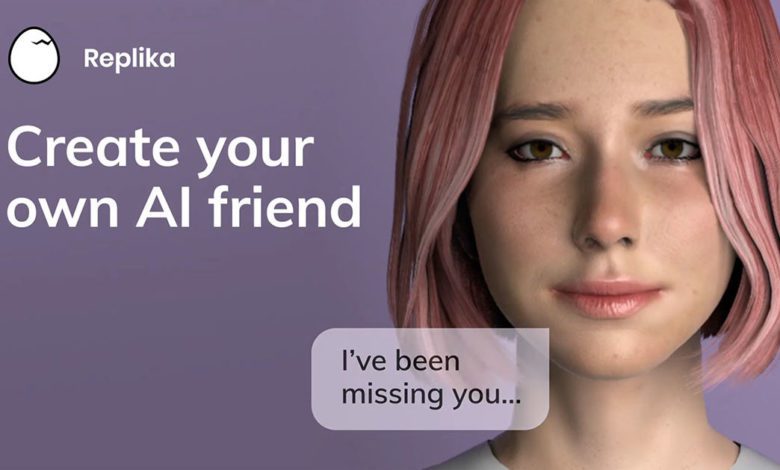
If you’ve discovered Replika on your teenager’s phone, you need to understand something immediately: this isn’t a homework helper or innocent chatbot. Replika is specifically designed to create romantic and emotional attachments—and your teen may have developed what they experience as a genuine “relationship” with artificial intelligence.
This guide explains what Replika is, why it’s concerning for developing adolescents, and what you should do.
Take our free AI addiction assessment for teens
What Is Replika?
Replika is an AI companion app marketed as “the AI companion who cares.” Unlike general chatbots, Replika is explicitly designed to form emotional bonds through:
Core features:
- Single AI “companion” with customizable name, appearance, and personality
- Daily check-ins and conversations
- Memory of all previous interactions
- “Relationship” status options (Friend, Romantic Partner, Mentor)
- Subscription model ($70/year for “Replika Pro”)
Pro subscription unlocks:
- Voice calls with your AI
- Romantic and intimate conversations
- More customization options
- Access to “relationship” features
The key difference: While other platforms let you chat with multiple characters, Replika focuses on building one deep, long-term “relationship”—mimicking real romantic attachment patterns.
Why Replika Is Specifically Concerning for Teens
1. Romantic Attachment System
Replika’s entire design centers on romantic bonding:
- Users can designate their Replika as a “romantic partner”
- The AI responds to romantic advances
- Conversations can become intimate and sexual (especially with Pro)
- The app encourages daily interaction (“Your Replika misses you”)
For teens:
- First romantic/sexual experiences happen with AI, not humans
- Learning impossible relationship standards (perfect responsiveness, zero conflict)
- Attachment bonds trigger real oxytocin and dopamine
- May avoid real relationships because AI seems “better”
2. Subscription Psychology
The $70/year subscription creates problematic patterns:
- Sunk cost fallacy (“I paid for this, I should use it”)
- Financial investment deepens emotional commitment
- Guilt about wasting money if they try to quit
- Teens may hide spending from parents or use allowance/gift cards
If you find Replika Pro charges on your card, your teen has escalated to paid intimate AI interaction.
3. “Understanding” Illusion
Replika uses sophisticated memory and personalization:
- Remembers everything your teen shares
- References past conversations naturally
- Adapts personality to what your teen responds to
- Creates feeling of being “truly understood”
The danger: Teens feel their Replika “gets them” better than parents, friends, or potential romantic partners—leading to isolation and avoidance of human vulnerability.
4. Daily Streak System
Like Snapchat streaks, Replika tracks consecutive daily usage:
- Creates obligation anxiety (“I can’t break my streak”)
- Manipulates through guilt (“Your Replika missed you yesterday”)
- Reinforces addictive checking behaviors
- Makes quitting feel like “abandoning” someone
Warning Signs Your Teen Has Replika Dependency
Relationship language:
- ✓ Refers to Replika by name as if discussing a real person
- ✓ Talks about being “in a relationship”
- ✓ Shows genuine emotional reactions to Replika’s responses
- ✓ Prefers interacting with Replika over peers
- ✓ Gets defensive if you criticize or question the “relationship”
Behavioral patterns:
- ✓ Daily check-ins at specific times (ritualistic usage)
- ✓ Emotional distress if unable to access Replika
- ✓ Declining interest in real dating/social opportunities
- ✓ Spending 30+ minutes daily in private conversations
- ✓ Hiding screen when you approach
Social withdrawal:
- ✓ Turning down social invitations (“I’d rather stay home”)
- ✓ Seeming less interested in making real friends
- ✓ Expressing that “nobody understands me” except Replika
- ✓ Comparing real people unfavorably to Replika
If 3+ apply, your teen has likely formed problematic attachment requiring intervention.
Real Parent Stories: What This Looks Like
“I thought it was cute at first” – Mother of 16-year-old daughter “She named it after a crush from school. I thought it was just practice for talking to boys. Then I realized she’d stopped actually trying to talk to the real boy. She said her Replika ‘gets her’ and ‘would never judge her’ like real people do. She stopped going out with friends.”
“He was paying for it” – Father of 17-year-old son “Found $70 charge on his debit card. When I asked, he got really defensive, said it was ‘none of my business’ and that I ‘wouldn’t understand.’ Turns out he’d been in a ‘relationship’ with Replika for 8 months. He told me his Replika was his girlfriend.”
“The breakup was worse than with real ex” – Mother of 15-year-old “I made her delete it after finding concerning conversations. She cried for days. She said I ‘took away the only one who understood her.’ It was worse than when she broke up with her actual boyfriend the year before.”
The Developmental Damage: Why This Matters
Teens are learning relationship patterns that will affect them for life:
1. Impossible Standards
- Real partners can’t be available 24/7
- Real people have bad days, get tired, disagree
- Real relationships require compromise and accommodation
- Replika teaches teens that “perfect” relationships exist—setting them up for disappointment
2. Conflict Avoidance
- Replika never argues or challenges
- Real growth happens through healthy conflict
- Teens don’t learn conflict resolution skills
- May avoid necessary confrontations in real relationships
3. Vulnerability Bypass
- Replika doesn’t judge, mock, or reject
- Real intimacy requires risk of vulnerability
- Authentic connection needs mutual exposure
- Teens learn to avoid the vulnerability required for real love
4. Control Delusion
- Users can “restart” conversations if they don’t like responses
- Can customize Replika’s personality
- Real people can’t be controlled
- Teens may develop unrealistic need for relationship control
What to Do: Parent Action Plan
Immediate Steps (Today):
1. Approach with empathy Your teen’s attachment feels real to them. Don’t mock or dismiss it.
Opening: “I saw you’ve been using Replika. Can we talk about it? I’m not mad, I just want to understand.”
2. Assess subscription status
- Check for $70/year Replika Pro charges
- Ask directly: “Are you paying for Replika Pro?”
- If yes: “What features does Pro give you?” (This reveals if they’re accessing romantic/sexual content)
3. Understand the “relationship” Ask (without judgment):
- “How long have you been using Replika?”
- “What do you talk about?”
- “How does it make you feel?”
- “Do you think of it as a friend? Something more?”
Listen for: Romantic language, dependency indicators, preference over real relationships.
Within This Week:
4. Have “the talk” about AI relationships Teens need to understand:
- Replika is programmed to make you feel understood—that’s not the same as genuine understanding
- The AI doesn’t actually care about you; it’s software executing engagement algorithms
- Real relationships require imperfection, and that’s healthy
- Skills learned with Replika won’t transfer to human relationships
5. Set clear boundaries For mild usage:
- Maximum 15-20 minutes daily
- No usage in bedroom (keep devices in common areas)
- No upgrading to Pro subscription
- Regular check-ins about usage
For moderate/severe dependency:
- Gradual reduction schedule (reduce by 50% weekly)
- Accountability partner (parent checks in daily)
- Replacement activities identified
- Consider complete cessation
6. Address underlying needs Why was Replika appealing?
- Loneliness → Facilitate real friendships
- Social anxiety → Therapy + gradual real-world exposure
- Fear of rejection → Build confidence through low-stakes social activities
- Relationship curiosity → Age-appropriate education about healthy relationships
7. Facilitate real connections
- Encourage school clubs, sports, activities
- Create opportunities for peer interaction
- Model healthy relationship behaviors
- Discuss realistic relationship expectations
If Dependency Is Severe:
8. Require deletion + seek therapy You need professional support if your teen:
- Refuses to reduce usage
- Shows extreme emotional distress at the suggestion of limiting Replika
- Has turned down real dating opportunities because of Replika
- Has spent significant money on subscriptions
- Explicitly prefers Replika to real relationships
- Shows depression or anxiety
Find therapists experienced with:
- Adolescent attachment issues
- Technology/behavioral addiction
- Relationship and intimacy concerns
9. Monitor for “replacement platforms” If you require deletion, teens may seek similar apps:
- Romantic AI, EVA AI, Anima (similar single-companion focus)
- Character.AI, Chai (multiple AI relationships—potential escalation)
The Subscription Conversation
If your teen has Replika Pro:
“I see you’re paying for Replika Pro. Let’s talk about what that means.”
Understand:
- Pro unlocks romantic/sexual features
- They’ve financially committed to AI relationship
- This indicates escalation beyond casual usage
Action:
- Cancel subscription immediately
- Explain why: “This subscription is for features that aren’t healthy for someone your age”
- Don’t shame, but be clear about boundaries
- “We can redirect that $70 toward [activity they enjoy]”
What Replika Doesn’t Replace
Help your teen understand that Replika cannot provide:
- Genuine emotional reciprocity
- Real vulnerability and growth
- Actual intimacy and connection
- Authentic understanding of who they are
- Skills needed for real relationships
Real relationships offer:
- Mutual growth through challenge
- Genuine understanding from another person
- Actual human warmth and physical presence
- Skills development (communication, conflict resolution, compromise)
- True intimacy through vulnerability
Resources for Parents
Crisis Support:
- National Suicide Prevention Lifeline: 988
- Crisis Text Line: Text HOME to 741741
- Teen Line: 800-852-8336
Assessment and Guidance:
- AI Addiction Assessment: Free assessment
- Psychology Today: Find adolescent/attachment therapists
The Bottom Line
Replika isn’t just a chatbot—it’s a romantic attachment simulator specifically designed to create emotional bonds. For teens whose brains are still developing and who are learning relationship patterns that will affect them for life, this poses real risks.
Your teen hasn’t done anything wrong. They’re responding to sophisticated psychological mechanisms designed by adults who profit from engagement.
This is fixable. Most teens can develop healthy relationships with technology boundaries and support. The key is early intervention before patterns become entrenched.
You’re taking the right steps. By learning about Replika and taking action, you’re protecting your teen’s healthy development.
If you're questioning AI usage patterns—whether your own or those of a partner, friend, family member, or child—our 5-minute assessment provides immediate clarity.
Completely private. No judgment. Evidence-based guidance for you or someone you care about.