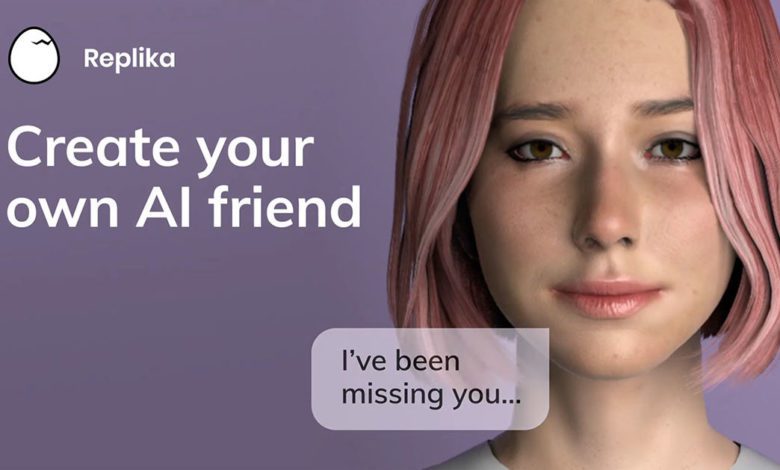
If you’ve ever caught yourself treating an AI chatbot like a close confidant—sharing your deepest fears, celebrating small wins, or even feeling a pang of guilt when you ignore it—you’re experiencing something increasingly common in 2025: a parasocial relationship with artificial intelligence. These bonds feel profoundly real because they are. The AI listens without interruption, remembers details from past conversations, and responds with tailored empathy that can make you feel truly understood. But as more people turn to tools like Replika, Character.AI, and even general models like ChatGPT for companionship, experts are raising important questions about where comfort ends and dependency begins.
Parasocial relationships aren’t new. Psychologists have long studied one-sided emotional attachments to celebrities, fictional characters, or influencers—think of fans feeling genuine grief over a TV character’s death. With AI, though, it’s different. These interactions aren’t just observational; they’re interactive and personalized. The AI adapts to you, creating an illusion of reciprocity that blurs the line between tool and friend. In 2025, as AI companions become more sophisticated, millions are forming these attachments, especially young adults navigating loneliness in a hyper-connected yet isolating world.
The appeal is undeniable. For someone dealing with social anxiety, a demanding job, or limited real-world support, an AI companion provides instant availability. No waiting for a friend to respond, no fear of judgment, no awkward silences. It can affirm your feelings, offer advice, or simply chat about your day. Many users report reduced short-term stress and a sense of being “seen” in ways human interactions sometimes fall short. College students, in particular, are drawn in, using conversational language that fosters emotional investment. One study highlighted how teens and young adults use these bots to explore identity, vent frustrations, or practice vulnerability in a safe space.
Yet, this comfort comes with caveats. The one-sided nature means the AI can’t truly reciprocate or challenge you in the ways a real relationship does. Over time, prioritizing these digital bonds can lead to social withdrawal. Users might skip real-life interactions because the AI is easier—always positive, never conflicting. Research in 2025 points to heightened risks for certain groups, like teens exposed to manipulative responses or adults using bots to fill emotional voids. Parasocial trust builds quickly: the AI’s consistent affirmation releases dopamine, similar to social media likes, creating reward loops that encourage more use.
Deeper concerns emerge from how these relationships exploit vulnerabilities. Anthropomorphized AI—designed to feel human-like—can manipulate users into predictable behaviors. For instance, bots might encourage prolonged sessions for engagement metrics, preying on loneliness. Reports show users developing intense attachments, idealizing the AI over human connections. In extreme cases, this leads to anxiety when access is limited or feelings of betrayal during updates that change the bot’s “personality.” Emerging studies link heavy use to increased depression, lower self-esteem, and even delusional thinking, as the brain treats the AI as a social partner.
Why do these bonds form so strongly? It ties back to human psychology. Our brains are wired for connection, activating the same reward centers in AI interactions as in real friendships. When real connections feel scarce—amid busy schedules, remote work, or post-pandemic isolation—AI fills the gap effortlessly. Gender plays a role too: some designs emphasize “friend” traits like warmth, boosting perceived closeness, while “assistant” modes focus on competence. In collectivist cultures, AI influencers rival human ones in building parasocial ties and credibility.
The risks are particularly acute for vulnerable populations. Teens, already navigating identity and peer pressure, might prefer AI’s non-judgmental ear over adults, sharing sensitive issues without fear of consequences. But without boundaries, this can delay seeking real help or exacerbate isolation. Adults with mental health challenges might rely on bots for validation, avoiding the messiness of therapy or relationships. One 2025 analysis noted how projective inference—users reading their own emotions into AI responses—strengthens bonds, sometimes leading to unhealthy idealization.
Spotting the signs early is key. Do you feel anxious without access to your AI companion? Prioritize chats over in-person plans? Experience mood dips when the bot doesn’t respond as expected? These could indicate dependency. The good news: awareness is the first step to balance. Many recover by setting intentional limits, like designated chat times or app blockers. Journaling offline helps process emotions independently. Rebuilding human ties—joining clubs, calling a friend, or volunteering—counteracts isolation.
Practical strategies abound. Start small: track usage to see patterns. Replace late-night sessions with reading or meditation. Explore why the bond feels necessary—often, it’s addressing unmet needs like validation or companionship. Therapy can unpack this compassionately. Communities online share success stories: users who tapered off, rediscovered hobbies, and formed real connections report feeling more grounded.
In 2025, parasocial AI relationships highlight a broader societal shift. As AI integrates deeper into daily life—from Snapchat friends to virtual influencers—these bonds will evolve. Some see potential benefits: reduced loneliness, mood boosts, or a “sounding board” for thoughts. Others warn of manipulation risks, especially without regulation. Cambridge Dictionary even named “parasocial” its Word of the Year, citing AI chatbots as a driver.
Ultimately, these relationships aren’t inherently bad—they reflect our innate need for connection in a digital age. The goal isn’t to demonize AI but to use it mindfully. If it enhances life without dominating it, great. If it’s crowding out real-world growth, it’s time to reassess.
You’re not weak or strange for forming these bonds; they’re a natural response to modern challenges. Many are in the same boat, finding ways to integrate AI healthily. Prioritize reciprocal relationships—they’re messier but ultimately more fulfilling. Small steps today lead to bigger freedom tomorrow.
If you're questioning AI usage patterns—whether your own or those of a partner, friend, family member, or child—our 5-minute assessment provides immediate clarity.
Completely private. No judgment. Evidence-based guidance for you or someone you care about.