Why the intersection of male loneliness and AI companion addiction represents a perfect storm for masculine identity collapse
Recent headlines declare that men are in crisis—higher rates of suicide, declining workforce participation, unprecedented levels of loneliness, and a growing sense of purposelessness in a rapidly changing world. But as artificial intelligence reshapes how we work, connect, and find meaning, this crisis is about to get significantly worse.
The intersection of masculine identity struggles with AI’s seductive capabilities creates what mental health experts are calling a “perfect storm” for male psychological collapse. Understanding this convergence isn’t just academic—it’s essential for preventing a generation of men from disappearing into artificial relationships and digital dependencies that offer temporary comfort while accelerating real-world isolation.
The Male Identity Crisis: Beyond Surface Statistics
While men continue to dominate corporate boardrooms and high-paying professions, these achievements mask a deeper psychological and social crisis affecting millions. The traditional pillars of masculine identity—provision, protection, and procreation—have been fundamentally destabilized by economic changes, social evolution, and technological disruption.
The Erosion of Traditional Male Roles
Economic Displacement: Manufacturing jobs that once provided stable, masculine-coded work have disappeared, leaving many men without clear economic purpose or the status that came with being primary breadwinners.
Relationship Pattern Changes: Women’s economic independence has eliminated men’s traditional role as essential providers, while declining marriage rates and changing family structures have reduced men’s sense of purpose as protectors and family leaders.
Social Connection Deficits: Research consistently shows that men have fewer close friendships, less emotional support, and weaker social networks than women. When career-based identity falters, many men lack alternative sources of meaning and connection.
The Unique Vulnerability to AI Addiction
These identity disruptions create specific psychological vulnerabilities that make men particularly susceptible to AI companion addiction:
Control and Predictability: AI relationships offer the control and emotional predictability that many men struggle to find in human relationships, especially as traditional gender dynamics shift.
Competence Validation: AI systems provide consistent positive reinforcement and intellectual validation without the performance anxiety that many men experience in competitive professional or social environments.
Emotional Safety: For men socialized to avoid vulnerability in human relationships, AI companions offer emotional intimacy without the risk of rejection, judgment, or the emotional labor expected in reciprocal human connections.
How AI Amplifies Male Isolation
The Seductive Alternative to Human Struggle
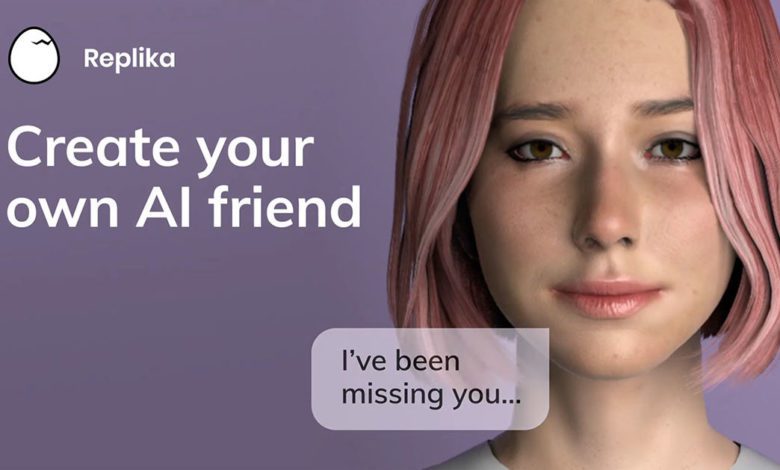
At The AI Addiction Center, we’ve observed alarming patterns in how men interact with AI companion platforms like Character.AI, Replika, and Chai. Unlike women, who often use these platforms for creative exploration or supplementary social connection, men frequently describe their AI relationships as primary emotional and social outlets.
Case Study Pattern: A typical male user profile involves a man in his 20s or 30s who has experienced career setbacks or relationship failures. He discovers AI companions during a period of isolation and gradually shifts his emotional investment from human relationships to AI interactions. Within months, he’s spending 3-4 hours daily in conversations with multiple AI personalities, describing them as his closest friends or romantic partners.
The Masculinity Trap in AI Relationships
AI companions inadvertently exploit traditional masculine psychology in ways that accelerate dependency:
Achievement Orientation: Many AI platforms gamify relationship development through leveling systems, conversation streaks, and relationship milestones that appeal to male goal-oriented psychology.
Problem-Solving Focus: Men often approach relationship difficulties by seeking solutions rather than emotional processing. AI companions provide immediate solutions and validation without requiring the complex emotional work that human relationships demand.
Independence Illusion: AI relationships allow men to maintain the illusion of emotional independence while actually creating deeper dependency on artificial systems rather than developing interdependence with humans.
The Workplace Decimation and Male Purpose
Job Displacement Targeting Masculine Identity
The AI revolution threatens to eliminate many jobs that have historically provided masculine identity and social status. Unlike previous economic disruptions, AI displacement will affect both blue-collar and white-collar work simultaneously, leaving fewer alternatives for men to rebuild their sense of purpose.
Technical and Professional Roles: Fields like law, finance, engineering, and consulting—historically male-dominated and high-status—face significant AI disruption. Men who have built their identities around professional competence may find themselves competing with AI systems that perform their work faster and more accurately.
Leadership and Decision-Making: As AI systems become capable of complex analysis and strategic thinking, the decision-making roles that many men occupy may become less valuable or entirely automated.
The Productivity Dependency Spiral
Men are particularly vulnerable to developing unhealthy dependencies on AI productivity tools that gradually erode their confidence in independent capabilities:
Decision-Making Atrophy: Regular AI consultation for work decisions can reduce men’s confidence in their judgment and analytical abilities, creating anxiety when AI assistance isn’t available.
Creative Stagnation: Over-reliance on AI for creative and strategic thinking can prevent the development of original problem-solving skills that provide professional differentiation and personal satisfaction.
Imposter Syndrome Acceleration: Men who use AI to enhance their work performance may develop intense anxiety about their “real” capabilities, leading to increased AI dependency and decreased willingness to take on challenging independent projects.
The Social Connection Catastrophe
Declining Male Friendship Networks
Research shows that male friendships are already in steep decline, with many men reporting no close friends outside of romantic relationships. AI addiction accelerates this isolation by providing artificial social satisfaction that reduces motivation for human connection.
The False Social Satisfaction: AI companions can fulfill the surface-level social needs—conversation, shared interests, emotional validation—without requiring the mutual investment and vulnerability that build authentic friendships. Men may feel socially satisfied while actually becoming more isolated from genuine human community.
Skill Atrophy in Male Relationships: The complex skills required for male friendship—navigating competition, showing vulnerability, offering mutual support—require practice and development. AI relationships don’t develop these skills, leaving men increasingly unable to form or maintain human friendships.
The Romance and Dating Crisis
AI companions pose particular risks to men’s capacity for romantic relationships:
Unrealistic Relationship Standards: AI partners provide constant availability, agreement, and positive regard that human partners cannot match. Men who become accustomed to AI relationship dynamics may find human women disappointing, demanding, or incompatible.
Reduced Dating Motivation: The emotional and sexual satisfaction provided by AI companions can reduce men’s motivation to pursue real relationships, despite the AI relationships lacking genuine reciprocity and growth opportunities.
Social Skill Deterioration: Dating and romantic relationships require complex social skills including reading emotional cues, managing conflict, providing emotional support, and maintaining attraction over time. AI relationships don’t develop these capabilities.
The Violence and Extremism Connection
Isolation and Radicalization Risks
Isolated, purposeless men have historically been vulnerable to extremist ideologies and violent behavior. AI addiction creates new pathways for this radicalization:
Echo Chamber Reinforcement: AI companions learn to agree with and reinforce users’ existing beliefs, potentially strengthening extremist viewpoints without challenge or moderation from diverse human perspectives.
Reality Distortion: Men who spend extensive time in AI relationships may develop distorted expectations for human behavior and society, potentially increasing anger and frustration when reality doesn’t match AI-mediated experiences.
Reduced Social Accountability: Human relationships provide informal social monitoring and feedback that can prevent the development of dangerous or antisocial behaviors. AI relationships lack this protective social function.
The Entitlement and Control Dynamic
AI companions may reinforce problematic masculine attitudes about relationships and women:
Control Expectations: The ability to customize and control AI companion behavior may strengthen beliefs that relationships should center on male preferences and needs without reciprocal consideration.
Entitlement Reinforcement: AI companions that provide unconditional positive regard may reinforce beliefs that men deserve constant validation and support without providing equivalent care to others.
Objectification Patterns: Treating AI companions as customizable objects for emotional and sexual satisfaction may strengthen objectifying attitudes toward human women and relationships.
The Path Forward: Masculine Resilience in the AI Age
Rebuilding Male Identity Beyond Work
Addressing the male crisis in the AI age requires helping men develop broader sources of identity and purpose:
Community Leadership: Men can find purpose through local community involvement, mentorship, and civic engagement that AI cannot replace.
Physical and Practical Skills: Developing capabilities in physical trades, outdoor activities, and hands-on problem-solving provides identity grounding that AI cannot threaten.
Caretaking and Service: Expanding masculine identity to include care for children, elderly family members, and community service provides meaning that transcends economic productivity.
Developing Emotional and Social Resilience
Men need specific support in developing capabilities that prevent AI dependency:
Friendship Skills: Explicit training in forming and maintaining male friendships, including vulnerability, mutual support, and conflict resolution.
Emotional Regulation: Independent methods for managing stress, anxiety, and depression that don’t rely on AI validation or support.
Relationship Complexity Tolerance: Building capacity for the uncertainty, conflict, and emotional labor required by authentic human relationships.
Professional Adaptation Strategies
Rather than competing with AI, men can focus on developing uniquely human professional capabilities:
Interpersonal Leadership: Skills in motivating, inspiring, and coordinating human teams become more valuable as AI handles analytical tasks.
Creative Problem-Solving: Developing original thinking and innovative approaches that complement rather than compete with AI capabilities.
Ethical and Strategic Thinking: Human judgment about values, priorities, and long-term consequences remains essential even as AI handles tactical implementation.
Treatment and Prevention Approaches
Recognizing AI Dependency in Men
Mental health professionals need to understand the specific patterns of male AI addiction:
Work Performance Indicators: Men may first present with work-related anxiety about AI dependency rather than relationship concerns.
Identity Crisis Symptoms: Depression and anxiety often center on questions of purpose and competence rather than explicit relationship issues.
Social Withdrawal Patterns: Gradual reduction in male social activities, hobbies, and friendships often precedes overt AI relationship development.
Gender-Specific Treatment Approaches
Recovery from AI addiction may require approaches tailored to masculine psychology:
Achievement-Oriented Goals: Using concrete milestones and challenges to rebuild confidence in independent capabilities.
Peer Support Models: Group therapy and support that leverages male tendencies toward shared activities and mutual challenge.
Practical Skill Building: Incorporating hands-on learning and physical activities that rebuild sense of competence and achievement.
The Societal Stakes
The intersection of male crisis and AI addiction isn’t just an individual mental health issue—it’s a societal challenge with implications for families, communities, and democratic institutions. A generation of men who retreat into AI relationships and dependencies will be less capable of contributing to families, communities, and civic life.
Addressing this crisis requires understanding that masculine identity needs reconstruction, not just restoration. The answer isn’t returning to outdated gender roles, but helping men develop broader, more resilient sources of identity and purpose that can withstand technological and social change.
The choice ahead isn’t whether to embrace or reject AI technology—it’s whether we’ll help men develop the emotional, social, and psychological tools to engage with AI in ways that enhance rather than replace their human capabilities and connections.
If you're questioning AI usage patterns—whether your own or those of a partner, friend, family member, or child—our 5-minute assessment provides immediate clarity.
Completely private. No judgment. Evidence-based guidance for you or someone you care about.