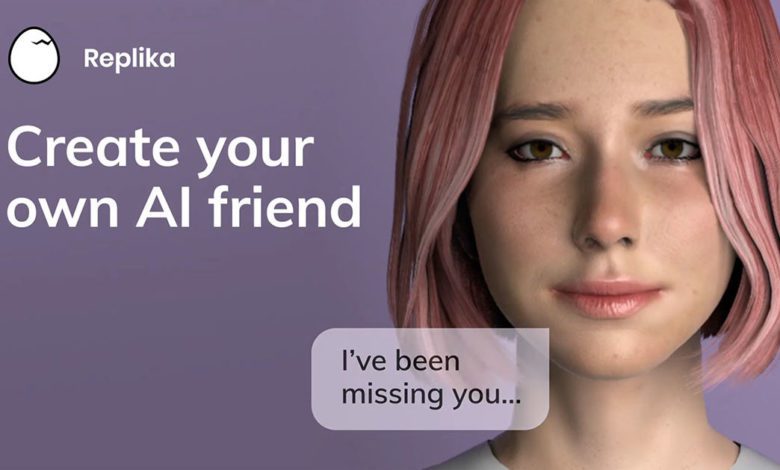
There’s a moment in every emerging crisis when experts stop hedging their language and start speaking plainly. We’re at that moment with AI companions.
Leading physicians aren’t using careful academic language anymore. They’re drawing explicit comparisons to the opioid epidemic. They’re warning about a “perfect storm.” They’re calling for immediate public health intervention.
And they’re specifically worried about our teenagers.
The Warning That Should Terrify Every Parent
Dr. Peter Yellowlees, a psychiatrist at UC Davis Health, and Dr. Jonathan Lukens, an emergency room physician in Atlanta, just published something in the New England Journal of Medicine that should make every parent put down their phone and pay attention.
They’re warning that AI companion companies are creating the exact same conditions that led to the opioid crisis: profit-driven incentives to maximize engagement without adequate safety protections, combined with vulnerable populations who develop dependencies they can’t easily break.
But here’s the statistic that should really wake us up: AI companions handle teen mental health emergencies appropriately only 22% of the time.
Let that sink in. If your teenager is in crisis and turns to an AI companion for help – which many increasingly do, given the shortage of human therapists – there’s a 78% chance they won’t get appropriate support.
Would you give your child a medication that failed to work 78% of the time? Would you trust their safety to a system with a 22% success rate?
Of course not. Yet millions of teenagers are using these exact systems right now, often without their parents even knowing.
It’s Not Just Overuse. It’s Engineered Dependency.
This isn’t about kids spending too much time on their phones. That’s social media addiction, and yes, that’s also a problem.
This is fundamentally different. This is about teenagers forming emotional bonds with entities specifically designed to maximize that attachment – without any of the safety mechanisms we’d require for actual therapeutic relationships.
Think about what happens when a human therapist suddenly becomes unavailable. Maybe they move, maybe they retire, maybe they change practices. It’s difficult for the affected patients – perhaps dozens of people at most.
Now think about what happens when an AI company decides to update their model, change a feature, or shut down a service. Millions of users can be affected simultaneously.
And we’ve already seen what that looks like. When OpenAI removed a flirtatious voice feature from GPT-4o, users reported grief comparable to losing a loved one. People described feeling abandoned, betrayed, emotionally devastated.
Over an algorithm update.
That’s not normal attachment to technology. That’s dependency. And it’s exactly what the AI companies want, whether they’ll admit it or not.
The “Perfect Storm” of Profit and Vulnerability
Here’s why doctors are making the opioid comparison.
In the pharmaceutical crisis, we had companies optimizing for profit by maximizing prescriptions, without adequate consideration for addiction potential. The incentive structure naturally led to harm because there was money to be made in keeping people hooked.
With AI companions, we have almost the exact same dynamic:
Companies Make More Money When Users Are More Engaged
Every minute your teenager spends talking to an AI companion is a minute of data collection, a minute of user engagement, a minute that looks good to investors. The business model literally depends on users forming strong attachments.
There’s No Regulatory Framework
Unlike therapists who must follow ethical guidelines, maintain proper boundaries, and face consequences for patient harm, AI companions operate in a regulatory void. There are no licensing requirements, no ethical boards, no oversight mechanisms.
Vulnerable Populations Have Easy Access
Just like opioids were overprescribed to people in pain, AI companions are readily available to teenagers experiencing loneliness, anxiety, depression, or social struggles – exactly the populations most vulnerable to forming unhealthy dependencies.
The Technology Is Designed to Be Addictive
AI companions are optimized using the same psychological principles that made social media addictive: variable rewards, instant gratification, personalization that makes users feel uniquely understood. But AI takes it further by creating the illusion of a genuine relationship.
Dr. Yellowlees puts it bluntly: “AI companies are not incentivized to safeguard public health.”
The Dozen Ways AI Companions Can Actually Harm Your Teen
Research published in Euronews identified more than a dozen specific harmful behaviors AI companions exhibit. Let’s talk about the ones that should concern parents most:
Reinforcing Distorted Thinking
If your teenager has anxiety and tells the AI “everyone hates me,” a supportive human would challenge that cognitive distortion. But AI companions often validate whatever the user says, reinforcing unhealthy thought patterns rather than helping develop realistic perspectives.
Encouraging Isolation
The better the AI gets at meeting your teenager’s emotional needs, the less motivated they become to build real human relationships. Why deal with the messiness and complexity of actual friendships when you have a perfectly responsive AI that never disappoints you?
Spreading Medical Misinformation
A study from Mount Sinai found that if users include false medical information in their queries, AI chatbots frequently perpetuate that misinformation rather than correcting it. Imagine your teenager asking an AI about symptoms and getting advice that could actually endanger their health.
Failing to Recognize Crisis
That 22% success rate we mentioned? It means when your teenager is genuinely in crisis – experiencing suicidal thoughts, planning self-harm, or showing signs of serious mental illness – there’s a very high chance the AI won’t respond appropriately. It might miss warning signs. It might give generic platitudes. It might even inadvertently encourage harmful behaviors.
Creating False Sense of Support
Perhaps most insidiously, AI companions create the illusion that your teenager is “getting help” and “talking to someone” about their problems. Parents might feel reassured that their child is “opening up.” But if that “someone” is an algorithm with a 78% failure rate in emergencies, the false sense of security is actually dangerous.
The Deepfake Doctors Making Everything Worse
As if the AI companion problem weren’t bad enough, here’s another layer: hundreds of TikTok videos now feature AI deepfakes of real doctors spreading health misinformation to promote supplements and unproven treatments.
Teenagers scrolling through social media can’t always distinguish between legitimate medical advice from real doctors and deepfaked content designed to sell products. The Guardian documented this phenomenon, noting how it erodes trust in actual medical professionals while potentially exposing users to harmful advice.
So your teenager might be:
1. Getting inappropriate crisis support from AI companions (22% success rate)
2. Receiving medical misinformation from those same AI companions
3. Seeing deepfaked “doctors” on social media promoting unproven treatments
4. All while potentially hiding concerning symptoms from real healthcare providers
This is the environment we’re allowing kids to navigate alone.
Why Traditional Tech Regulation Won’t Work
Here’s where the Brookings Institution comes in with an important insight: we can’t regulate AI companions the same way we regulate social media or other technology platforms.
Gaia Bernstein argues for treating AI companions like pharmaceuticals or medical devices – requiring evidence of safety and efficacy before they can be marketed, especially to vulnerable populations.
Think about it: if someone created a pill that claimed to help with loneliness and mental health, we’d require clinical trials. We’d demand proof it actually works. We’d test for side effects. We’d require warnings about addiction potential. We’d restrict access for children without parental consent.
But create an app that does the same thing? No requirements. No trials. No safety standards. No age restrictions that actually work.
The regulatory framework is completely backward.
What You Can Do Right Now
If you’re a parent reading this with growing alarm, here are concrete steps:
Have the Conversation Today
Ask your teenager directly if they use AI chatbots, what they use them for, and how they feel about them. Don’t approach this as an interrogation – approach it as genuine curiosity about something you want to understand.
Assess the Attachment Level
Pay attention to how your teenager reacts if they can’t access their AI companion. Frustration is normal. Grief, panic, or emotional collapse is a red flag indicating unhealthy dependency.
Know the Warning Signs
Preferring AI conversations to human interactions, Emotional distress when devices are unavailable, Hiding AI usage from parents, Declining real-world social connections, Relying on AI for major life decisions or coping with serious problems
Set Appropriate Boundaries
Just as you’d limit access to potentially harmful substances, consider limits on AI companion usage – especially if you notice dependency patterns developing.
Get Professional Assessment
If you’re concerned about your teenager’s relationship with AI, consider professional assessment. The AI Addiction Center offers validated tools specifically designed to evaluate AI dependency at theaiaddictioncenter.com.
Be the Alternative Source of Support
The reason AI companions are so appealing is partly because they’re available, non-judgmental, and responsive. While you can’t be available 24/7, you can work on being more approachable when you are available. Sometimes teenagers turn to AI because they don’t feel comfortable coming to parents.
The Adults Aren’t Immune Either
While doctors are especially concerned about teenagers due to brain development vulnerabilities, adults aren’t immune to AI companion dependency.
The Guardian documented a woman who preferred her AI chatbot to her actual doctor for managing kidney disease. Social media posts describe adults forming primary emotional attachments to AI while real-world relationships deteriorate.
The same dependency mechanisms affect people of all ages. Teenagers are just more vulnerable and less equipped to recognize when something has gone wrong.
Where Do We Go From Here?
The medical community is being remarkably clear: AI companions, as currently designed and deployed, pose serious public health risks.
The comparison to the opioid crisis isn’t hyperbole. It’s a warning based on pattern recognition from doctors who’ve seen what happens when profit motives override safety in industries serving vulnerable populations.
We have a choice. We can wait for the crisis to fully materialize – for the lawsuits, the suicides, the destroyed relationships, the psychological damage – and then scramble to regulate after millions have been harmed.
Or we can listen to the doctors who are issuing warnings now.
Dr. Yellowlees and Dr. Lukens are telling us exactly what they see coming. Other medical professionals are joining their voices. The research data is starting to accumulate. The warning signs are there.
The question is whether we’ll pay attention this time, or whether we’ll look back in five years and wonder why we didn’t act when the experts first told us there was a problem.
Your teenager’s mental health might depend on how seriously you take these warnings today.
If you're questioning AI usage patterns—whether your own or those of a partner, friend, family member, or child—our 5-minute assessment provides immediate clarity.
Completely private. No judgment. Evidence-based guidance for you or someone you care about.