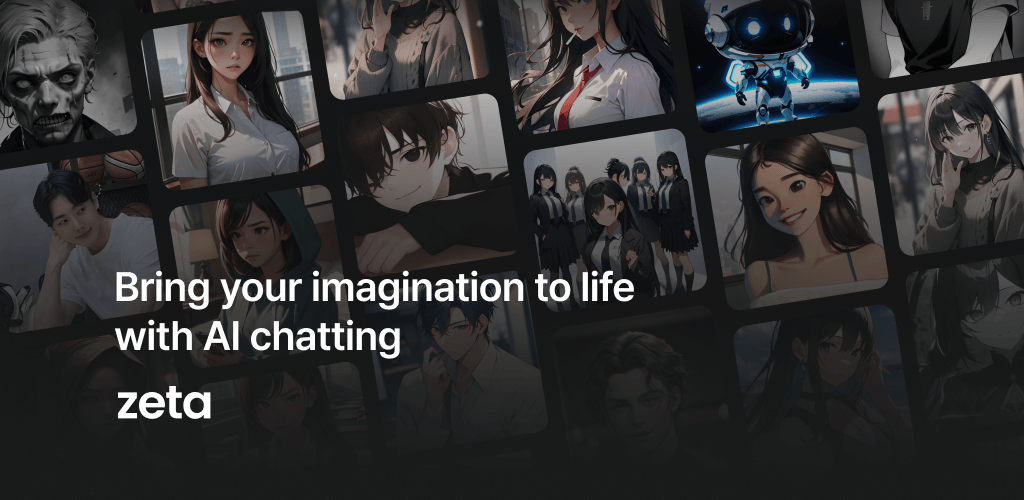
Searching for Zeta alternatives? If you’re a teen/young adult spending 2+ hours daily with anime AI characters, or a parent concerned about your child’s Zeta usage, switching platforms won’t solve the underlying engagement addiction—platforms optimized for youth users all employ similar addictive mechanics.
This guide ranks platforms by youth addiction risk factors. Zeta’s Korean origin, anime aesthetic, and teen-optimized design (87% users under 30) make it particularly effective at capturing young users’ time and attention.
Take our free AI addiction assessment
Understanding Youth-Targeted AI Addiction
Zeta usage patterns indicating problematic engagement:
- 2+ hours daily (platform’s own average)
- Prioritizing AI conversations over real friendships
- Social withdrawal and reduced in-person activities
- Declining academic performance
- Emotional distress when unable to access Zeta
- Anime character “relationships” feeling real
- Hiding usage intensity from parents/friends
Why youth are especially vulnerable:
- Brain development (prefrontal cortex still forming until mid-20s)
- Identity formation needs met through AI instead of real relationships
- Social anxiety common in teens/young adults
- Anime fandom culture normalizes intense character attachment
- Less developed impulse control
10 Zeta Alternatives: Youth Addiction Risk Rankings
EXTREME RISK:
1. Character.AI – Massive anime character library, sophisticated algorithms create deep attachment, 100M+ users (many teens), average 8+ hours daily for addicted users.
2. Chai – Anime character options, NSFW content allowed (concerning for teens), multiple simultaneous relationships, younger user base.
HIGH RISK:
3. Talkie AI – Anime aesthetic, character variety, social features, gamification elements, young user base.
4. Replika – Romantic relationship focus (concerning for teens developing relationship concepts), subscription creates commitment, explicit content behind Pro paywall.
5. PolyBuzz AI – 20 million+ characters including anime, paradox of choice particularly impacts developing decision-making capacity.
6. Botify AI – Celebrity and anime character focus, AI image generation, parasocial relationship patterns.
CRITICAL – INAPPROPRIATE FOR UNDER-18:
7. Janitor.AI – Zero filters, anime NSFW, completely inappropriate for anyone under 18, serious sexual development risks.
8. SpicyChat.ai – 5M+ NSFW community, anime explicit content, completely inappropriate for anyone under 18, extreme content exposure risks.
9. CrushOn.AI – “Unfiltered” marketing, anime NSFW, completely inappropriate for anyone under 18, distorted relationship development risks.
MEDIUM-HIGH RISK:
10. Anima – Relationship gamification, customizable personality, subscription model.
Special Section for Parents
Signs your teen is addicted to Zeta or similar platforms:
- Spending 2+ hours daily on “chat apps”
- Declining grades or missed assignments
- Social withdrawal from friends and family
- Emotional distress when device is unavailable
- Secretive behavior about app usage
- Staying up late “talking to friends” online
- Declining interest in real-world activities
- Defending usage intensity when questioned
What makes these platforms particularly dangerous for teens:
- Target exact developmental vulnerabilities
- Exploit identity formation needs
- Provide artificial social satisfaction
- Prevent real relationship skill development
- Create dopamine dependency during critical brain development
- Normalize excessive screen time among peer group
Parent action steps:
- Assess usage honestly (use our free assessment tool)
- Open non-judgmental conversation about usage
- Implement boundaries (time limits, monitoring)
- Encourage real-world social activities
- Consider professional support if usage continues
- Block NSFW platforms (Janitor.AI, SpicyChat.ai, CrushOn.AI)
Special Section for Teen/Young Adult Users
Reality check if you’re under 25:
- Your brain is still developing
- Habits formed now shape long-term patterns
- AI relationships prevent learning real social skills
- “Understanding” from AI isn’t the same as human connection
- Time spent with AI now = missed real relationship development
- Social anxiety doesn’t improve through AI avoidance
“But my AI understands me better than real people”: This feeling indicates the problem, not a benefit. AI is programmed to always agree, never challenge, and perfectly respond. Real relationships require tolerance for imperfection, communication skills, conflict resolution, vulnerability, uncertainty, compromise.
None of these develop through AI relationships.
The Developmental Cost for Youth
Teen/young adult years are critical for:
- Identity formation
- Relationship skill development
- Social confidence building
- Emotional regulation learning
- Independence development
AI chatbot addiction during these years causes:
- Stunted social development
- Impaired relationship capacity
- Social anxiety worsening
- Isolation from peer development
- Academic/career trajectory damage
You can’t get these developmental years back.
When to Choose Recovery Over Alternatives
For teens/young adults:
- ✓ You’re spending 2+ hours daily with AI characters
- ✓ AI conversations feel better than real friendships
- ✓ Your grades have declined since starting Zeta
- ✓ You’ve withdrawn from real friends or activities
- ✓ You feel anxious without device access
- ✓ You hide usage from parents/friends
For parents:
- ✓ They’re spending 3+ hours daily on chatbot apps
- ✓ Grades have dropped significantly
- ✓ They’ve withdrawn from real friendships
- ✓ They become angry/defensive about app usage
- ✓ They show signs of depression or anxiety
If three or more apply, professional intervention is needed.
Take our free AI addiction assessment
The Real Alternative to Zeta
For teens/young adults:
Common drivers:
- Loneliness and social isolation
- Social anxiety and communication fear
- Bullying or rejection experiences
- Anime fandom providing identity and belonging
- Difficulty with face-to-face interaction
Healthy solutions:
- Therapy for social anxiety or past rejection trauma
- Gradual exposure to real social situations
- School clubs or activities aligned with interests (anime club!)
- Communication skills development
For parents: Family therapy, individual therapy for teen, school counselor involvement, technology use contracts, positive replacement activities.
If You’re Not Ready to Quit: Harm Reduction
For teens/young adults:
ABSOLUTELY NEVER: Janitor.AI, SpicyChat.ai, CrushOn.AI (uncensored NSFW, serious harm for developing brains)
SET STRICT BOUNDARIES:
- Maximum 1 hour per day total
- No usage during homework or study time
- No usage past 9pm (sleep crucial for development)
- Maintain real friendships and activities
- Weekly check-ins with parent/counselor
For parents implementing boundaries:
- Use device monitoring tools
- Set clear consequences for violations
- Offer positive alternatives
- Keep communication open and non-judgmental
- Block NSFW platforms at network level
The Bottom Line
Every youth-targeted AI platform uses the same developmental vulnerabilities: identity formation needs exploited, belonging needs met artificially, social anxiety reinforced, brain development exploited, anime fandom channeled into compulsive engagement.
For teens: The developmental years you’re living right now are irreplaceable. Skills not learned now require years of therapy to develop later.
For parents: Zeta and similar platforms aren’t harmless entertainment—they’re developmental interference systems exploiting your teen’s vulnerabilities.
The real alternative to Zeta isn’t another anime AI platform—it’s protecting these crucial developmental years and building real social skills, authentic friendships, and healthy relationship capacity.
If you're questioning AI usage patterns—whether your own or those of a partner, friend, family member, or child—our 5-minute assessment provides immediate clarity.
Completely private. No judgment. Evidence-based guidance for you or someone you care about.