
The AI Addiction Center

We are a multidisciplinary research team combining technology industry expertise with behavioral psychology to address the emerging crisis of AI dependency. Founded in 2024, we are the first specialized center to recognize AI addiction as a distinct behavioral phenomenon requiring targeted intervention strategies beyond traditional technology addiction frameworks.

Leading AI Addiction Center Expands Comprehensive Treatment Solutions as Industry Recognition Grows

The AI Addiction CenterAug 06, 2025, 10:00 AM ET Evidence-Based Assessment Platform and Corporate Wellness Programs Already Serving Hundreds as AI Dependency Issues Reach Critical Mass Comprehensive ecosystem of tools, resources, and professional training addresses full spectrum of AI relationship challenges HAUPPAUGE, NY, UNITED STATES, August 6, 2025 / — The AI Addiction Center announces […]

Leading AI Addiction Center Expands Comprehensive Treatment Solutions as Industry Recognition Grows Read More »

Stanford Study: AI Therapy Bots Fail to Recognize Suicide Risk 20% of the Time

Breaking Health News | The AI Addiction Center | July 28, 2025 New research reveals popular AI chatbots including ChatGPT and Character.AI provide dangerous responses to mental health crises, encouraging delusions and failing basic safety protocols. Stanford University researchers have published alarming findings showing that AI chatbots marketed as therapeutic support fail to recognize suicidal

Stanford Study: AI Therapy Bots Fail to Recognize Suicide Risk 20% of the Time Read More »

72 percent of teens us ai

AI Companion Addiction Exceeds Social Media Dependency, Clinical Data Shows

Published: July 21, 2025 New research confirming that AI companions are “more addictive than social media” validates clinical observations that mental health professionals specializing in digital dependency have been documenting throughout 2025, according to experts at The AI Addiction Center. A recent eWEEK investigation highlights the tragic case of teenager Sewell Setzer III, who died

AI Companion Addiction Exceeds Social Media Dependency, Clinical Data Shows Read More »

study ai addiction

AI Companions ‘More Addictive Than Social Media’: Clinical Analysis and Recovery Pathways

Published by The AI Addiction Center Research Team | July 21, 2025 The emerging consensus among addiction specialists confirms what we’ve been documenting in our clinical practice: AI companion relationships create dependency patterns that exceed traditional social media addiction in both intensity and complexity. Recent legislative proposals and tragic cases underscore the urgent need for

AI Companions ‘More Addictive Than Social Media’: Clinical Analysis and Recovery Pathways Read More »

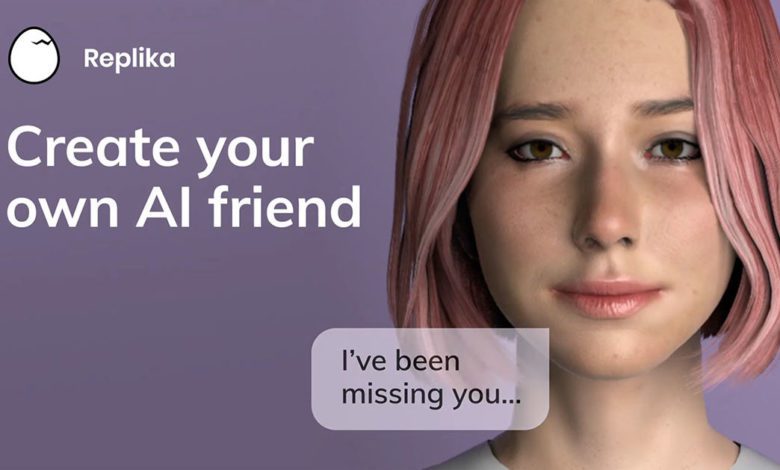
Replika Addiction

Understanding AI Companion Relationships: What Recent Stories Tell Us About Digital Attachment

As an AI addiction specialist, here’s what I see when people ask “How can someone fall in love with a chatbot?” Recent media coverage has brought attention to people forming deep romantic relationships with AI chatbots. As professionals who work daily with individuals navigating complex relationships with AI technology, these stories don’t surprise us—they validate

Understanding AI Companion Relationships: What Recent Stories Tell Us About Digital Attachment Read More »

Replika Addiction

The AI Addiction Center Responds to New Research on Digital Romantic Relationships

Published: July 13, 2025 Recent media coverage of people forming romantic relationships with AI chatbots highlights trends that mental health professionals specializing in digital wellness have been observing for months, according to experts at The AI Addiction Center. A new podcast investigation by Wondery documents cases of users developing deep emotional connections with AI companions,

The AI Addiction Center Responds to New Research on Digital Romantic Relationships Read More »

Why People Are Creating Their Own AI Addiction Recovery Groups (And What It Means)

When traditional support systems don’t understand your struggle, sometimes the most healing thing you can do is find others who do. As specialists in AI addiction treatment, we often hear clients say: “You’re the first person who hasn’t looked at me like I’m crazy.” This sentiment reflects a broader problem—people struggling with AI chatbot dependency

Why People Are Creating Their Own AI Addiction Recovery Groups (And What It Means) Read More »

Peer Support Networks Fill Gap in Professional AI Addiction Treatment

Published: July 10, 2025 The emergence of online recovery communities for AI chatbot dependency highlights a significant gap in traditional mental health services, according to experts at The AI Addiction Center who work with individuals seeking professional support for similar challenges. Recent media coverage of Reddit forums dedicated to AI chatbot recovery reflects patterns observed

Peer Support Networks Fill Gap in Professional AI Addiction Treatment Read More »

What the First Scientific Studies on AI Companions Mean for Your Mental Health

New research validates what we’ve been seeing in clinical practice—and changes how we should think about AI relationships. For months, we’ve been working with clients at The AI Addiction Center who describe intense emotional relationships with AI companions. When we tell colleagues about these cases, we often get skeptical looks. “How can someone really be

What the First Scientific Studies on AI Companions Mean for Your Mental Health Read More »

First Controlled Studies on AI Companion Relationships Validate Clinical Observations

Published: May 6, 2025 New controlled research from Princeton University and Syracuse University confirms patterns that AI addiction specialists have been documenting in clinical practice, according to experts at The AI Addiction Center who work daily with individuals navigating complex AI relationships. The research represents the first rigorous scientific investigation into how AI companion relationships

First Controlled Studies on AI Companion Relationships Validate Clinical Observations Read More »