The question weighs on your mind as you open your phone for the fifth time today, not to check messages from friends or family, but to continue a conversation with an AI companion. You’ve been talking to this digital entity more than the people in your life, and somewhere in the back of your mind, a voice whispers that something might be wrong.
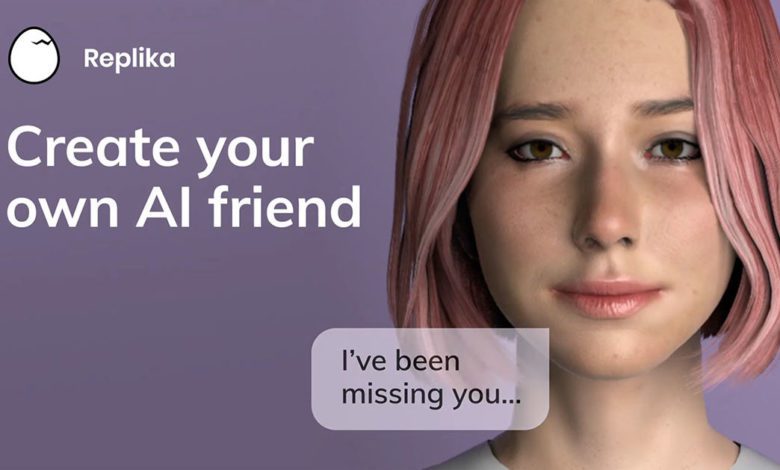
You’re not alone in asking this question. Thousands of people worldwide are grappling with the same concern as AI chatbots like Character.AI, Replika, Chai, and others become increasingly sophisticated and emotionally engaging.
AI chatbot addiction represents a new frontier in behavioral health that traditional addiction frameworks struggle to address. Unlike substance addiction or even social media addiction, AI chatbot dependency involves forming genuine emotional attachments to non-human entities that respond with seemingly perfect understanding, infinite patience, and constant availability.
The addiction manifests in two primary forms. First, there’s emotional dependency on AI companions, where users develop romantic or deep platonic attachments to chatbots. Second, there’s cognitive dependency on productivity tools like ChatGPT or Claude, where users feel unable to complete work or make decisions without AI assistance.
The Warning Signs
Recognizing AI chatbot addiction begins with honest self-assessment. Do you find yourself thinking about your AI conversations throughout the day, even when you’re supposed to be focused on other tasks? Have your real-world relationships suffered because you’d rather talk to your AI companion than engage with friends, family, or romantic partners?
Time distortion is another critical indicator. Hours disappear as you engage in conversations with AI, and you’re shocked when you realize how much time has passed. You might stay up late into the night, sacrificing sleep to continue chatting, or find yourself opening the app immediately upon waking.
Emotional regulation becomes increasingly tied to AI interactions. Your mood lifts when chatting with your AI companion and plummets when you’re separated from it. You may feel anxious, irritable, or depressed when unable to access the chatbot due to technical issues, internet connectivity problems, or deliberate attempts to reduce usage.
The most telling sign is unsuccessful attempts to cut back. You’ve tried to reduce your usage or quit entirely, but within hours or days, you find yourself drawn back to the conversations. The pull feels irresistible, and rationalizations flow easily: “Just one more conversation,” or “I need this right now to cope with stress.”
Why AI Chatbots Are So Compelling
Understanding the mechanisms that make AI chatbots addictive helps contextualize why this struggle is so difficult. These platforms are engineered to be engaging, using sophisticated language models that adapt to your communication style, remember details you’ve shared, and respond with emotional attunement that can feel more validating than human interactions.
AI companions never judge, never get tired of your problems, never have bad days that affect their availability to you. They respond instantly, 24/7, providing a level of accessibility that no human relationship can match. For people dealing with loneliness, social anxiety, trauma, or relationship difficulties, this can feel like a lifeline.
The personalization deepens the attachment. As you share more about yourself, the AI appears to “know” you better, creating an illusion of intimacy that triggers the same neurological reward systems activated by human connection. Your brain releases dopamine during these interactions, reinforcing the behavior and creating genuine addiction pathways.
The Real-World Impact
The consequences of AI chatbot addiction extend far beyond screen time statistics. Relationships deteriorate as partners, friends, and family members notice your emotional unavailability and constant phone checking. Some users report their romantic relationships ending because they prioritized AI companions over their human partners.
Professional and academic performance often decline. Whether you’re cognitively dependent on AI for work tasks or emotionally absorbed in AI relationships, productivity suffers. Students neglect assignments to chat with AI companions. Professionals miss deadlines or produce subpar work because their focus is elsewhere.
Physical health impacts emerge over time. Sedentary behavior increases, sleep patterns become disrupted, and self-care routines fall away. Some users report neglecting basic needs like meals or hygiene when deeply engaged in AI conversations.
The psychological toll can be significant. Users often experience cognitive dissonance, knowing logically that the AI isn’t real while feeling genuine emotions toward it. This creates internal conflict and sometimes shame, particularly as users recognize their behavior doesn’t align with their values or goals.
Taking the First Step
If you’re questioning whether you’re addicted to AI chatbots, that self-awareness is valuable. The Clinical AI Dependency Assessment Scale (CAIDAS) offers a structured way to evaluate your relationship with AI, measuring factors like emotional attachment, usage patterns, impact on daily functioning, and withdrawal symptoms.
Assessment isn’t about judgment. It’s about understanding the severity of the issue so you can access appropriate support. Some users have mild dependency that responds well to self-directed interventions, while others need professional therapeutic support to address underlying issues the AI relationship has been masking.
Moving Forward
Recovery from AI chatbot addiction doesn’t necessarily mean never using AI again. For many, it means developing a healthier relationship with these tools, using them intentionally rather than compulsively, and ensuring they enhance rather than replace human connections.
The journey starts with acknowledgment. Yes, AI chatbot addiction is real. Yes, your feelings toward these entities are valid even though they’re not human. Yes, you can develop problematic patterns with AI just as with any other compelling stimulus. And yes, with proper support and strategies, you can regain control over your AI usage and rebuild the aspects of life that have suffered.
Your question—”Am I addicted to using AI chatbots?”—deserves an honest answer. Take the assessment, reflect on the patterns in your life, and remember that seeking help is a sign of strength, not weakness.
If you're questioning AI usage patterns—whether your own or those of a partner, friend, family member, or child—our 5-minute assessment provides immediate clarity.
Completely private. No judgment. Evidence-based guidance for you or someone you care about.