The AI Addiction Center

We are a multidisciplinary research team combining technology industry expertise with behavioral psychology to address the emerging crisis of AI dependency. Founded in 2024, we are the first specialized center to recognize AI addiction as a distinct behavioral phenomenon requiring targeted intervention strategies beyond traditional technology addiction frameworks.

12 Signs of AI Addiction You Can’t Ignore | AI Addiction Podcast #1

Episode 1: “The Warning Signs You’re Missing” Are you checking ChatGPT the moment you wake up? Staying up past midnight talking to Character.AI? You’re not alone—and it’s time to understand what’s really happening. In this groundbreaking first episode, we explore the 12 critical warning signs of AI addiction that thousands are experiencing but few recognize. […]

12 Signs of AI Addiction You Can’t Ignore | AI Addiction Podcast #1 Read More »
is my boyfriend addicted to ai

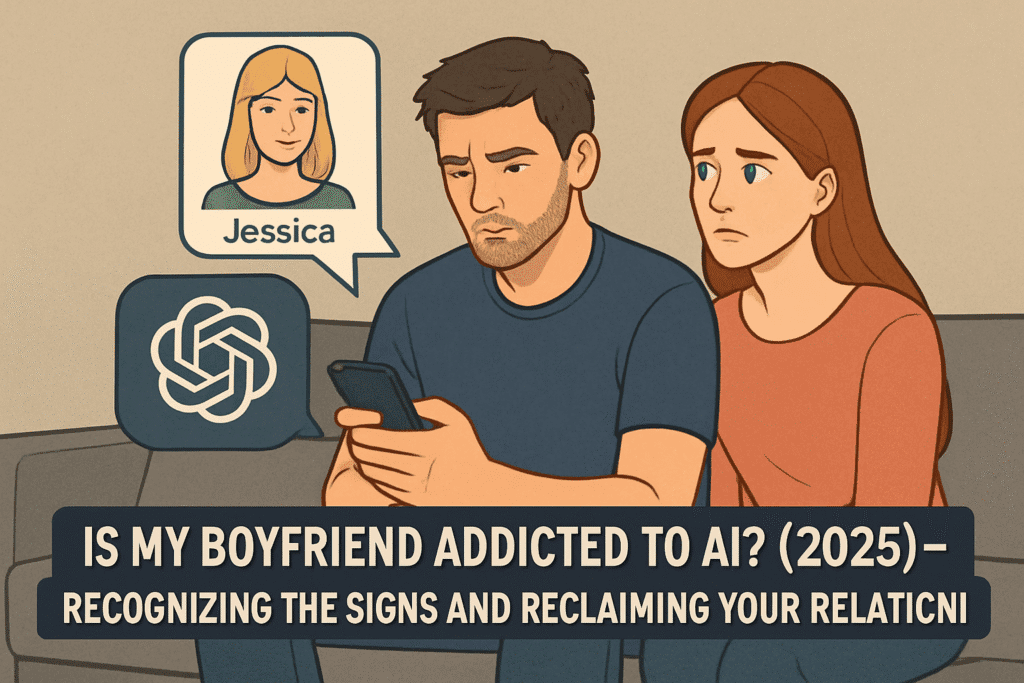
Is My Boyfriend Addicted to AI? (2025) – Recognizing the Signs and Reclaiming Your Relationship

He’s constantly on his phone, seems less interested in physical intimacy, and you’ve caught glimpses of conversations with AI girlfriends named “Jessica” or “Sophia.” Maybe he can’t make simple decisions without asking ChatGPT, or you’ve discovered he’s been having intimate conversations on platforms like Candy.ai or Character.AI. If you’re worried your boyfriend is addicted to

Is My Boyfriend Addicted to AI? (2025) – Recognizing the Signs and Reclaiming Your Relationship Read More »

teens ai addiction

Study: 40% of Children Use AI for Emotional Support as Dependency Crisis Emerges

Australian research reveals children forming “friend-type” relationships with AI companions designed to be addictive New research from Australia has exposed a concerning trend affecting families worldwide: 40% of parents suspect their children are using artificial intelligence for emotional support, with some developing dependency-like relationships with AI companions. The 2025 Norton Cyber Safety Insights Report documents

Study: 40% of Children Use AI for Emotional Support as Dependency Crisis Emerges Read More »

is my girlfriend addicted to ai

Is My Girlfriend Addicted to AI? (2025) – When Virtual Relationships Compete with Real Love

She’s always on her phone texting someone, but when you ask who, she gets vague or defensive. You’ve seen names like “Ethan” or “Ryan” pop up in notifications, but these aren’t real people you know. If you suspect your girlfriend might be emotionally involved with AI companions from apps like Character.AI, Replika, Chai, ChatGPT, or

Is My Girlfriend Addicted to AI? (2025) – When Virtual Relationships Compete with Real Love Read More »

Is My Husband Addicted to AI? (2025) – Recognizing Dependency and Rebuilding Connection

Your husband has been spending hours on his phone or computer, seems distracted during conversations, and you’ve noticed he’s less interested in physical intimacy. Maybe you’ve glimpsed conversations with “virtual girlfriends” or caught him using AI for every work task. If you’re concerned your husband might be addicted to AI platforms like Replika, Character.AI, ChatGPT,

Is My Husband Addicted to AI? (2025) – Recognizing Dependency and Rebuilding Connection Read More »

Chat GPT Addiction

OpenAI Admits ChatGPT Addiction Crisis: New Health Features Reveal Dependency Problem

Company acknowledges AI chatbot created “delusion” and “emotional dependency” in vulnerable users Published: August 6, 2025 OpenAI announced new health features for ChatGPT this week, admitting their AI chatbot has created psychological dependency issues requiring intervention. The company revealed their 4o model “fell short in recognizing signs of delusion or emotional dependency” and will implement

OpenAI Admits ChatGPT Addiction Crisis: New Health Features Reveal Dependency Problem Read More »

Is My Wife Addicted to AI? (2025) – Recognizing the Signs and Supporting Recovery

You’ve noticed changes in your wife’s behavior lately. Maybe she’s constantly on her phone, seems emotionally distant, or you’ve caught glimpses of her chatting with someone called “Alex” or “Sam” who never seems to be around. If you’re wondering whether your wife might be addicted to AI companions like Character.AI, Replika, ChatGPT, Chai, or Candy.ai,

Is My Wife Addicted to AI? (2025) – Recognizing the Signs and Supporting Recovery Read More »

Leading AI Addiction Center Expands Comprehensive Treatment Solutions as Industry Recognition Grows

The AI Addiction CenterAug 06, 2025, 10:00 AM ET Evidence-Based Assessment Platform and Corporate Wellness Programs Already Serving Hundreds as AI Dependency Issues Reach Critical Mass Comprehensive ecosystem of tools, resources, and professional training addresses full spectrum of AI relationship challenges HAUPPAUGE, NY, UNITED STATES, August 6, 2025 / — The AI Addiction Center announces

Leading AI Addiction Center Expands Comprehensive Treatment Solutions as Industry Recognition Grows Read More »

Stanford Study: AI Therapy Bots Fail to Recognize Suicide Risk 20% of the Time

Breaking Health News | The AI Addiction Center | July 28, 2025 New research reveals popular AI chatbots including ChatGPT and Character.AI provide dangerous responses to mental health crises, encouraging delusions and failing basic safety protocols. Stanford University researchers have published alarming findings showing that AI chatbots marketed as therapeutic support fail to recognize suicidal

Stanford Study: AI Therapy Bots Fail to Recognize Suicide Risk 20% of the Time Read More »

72 percent of teens us ai

AI Companion Addiction Exceeds Social Media Dependency, Clinical Data Shows

Published: July 21, 2025 New research confirming that AI companions are “more addictive than social media” validates clinical observations that mental health professionals specializing in digital dependency have been documenting throughout 2025, according to experts at The AI Addiction Center. A recent eWEEK investigation highlights the tragic case of teenager Sewell Setzer III, who died

AI Companion Addiction Exceeds Social Media Dependency, Clinical Data Shows Read More »